
The Best Currency Pairs for Volatile Market Conditions
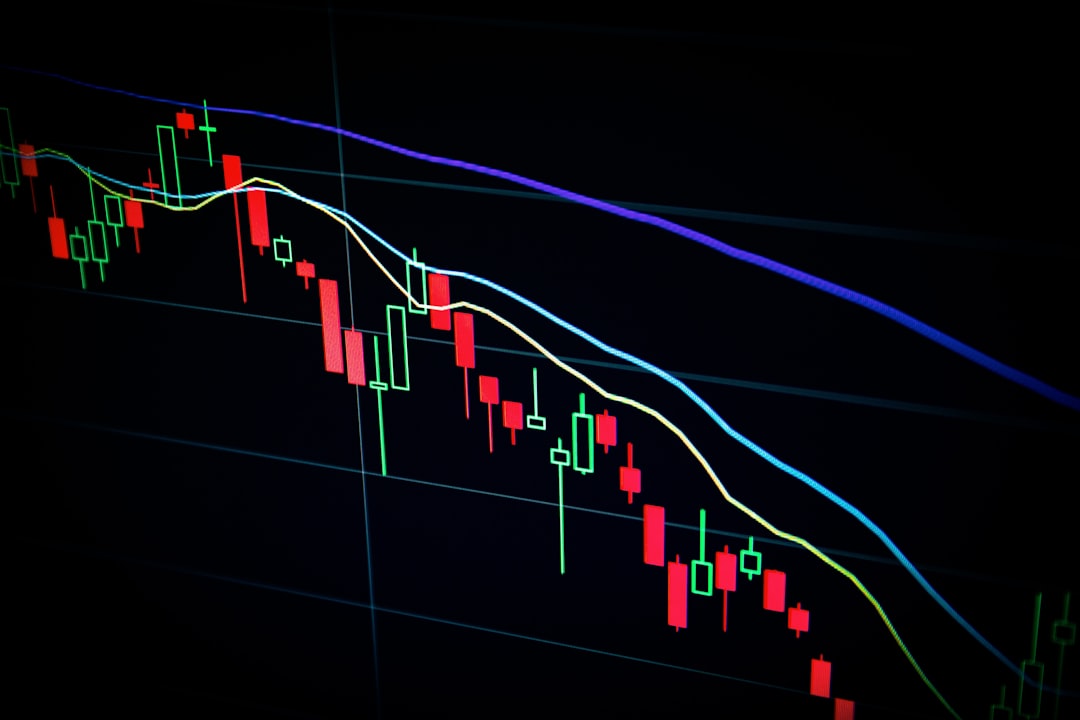
Market volatility can be a double-edged sword for Forex traders. While sudden price swings create profit opportunities, they also amplify risk and can quickly drain trading accounts. Understanding which currency pairs perform best during turbulent times—and how to trade them safely—is essential for survival in bearish markets, economic uncertainty, and high-volatility environments. This guide examines the most tradable pairs during volatile conditions and provides practical strategies to protect your capital while capitalizing on market movements.
Understanding Volatility in Forex Markets
Volatility measures the degree of price fluctuation over a given period. During economic crises, geopolitical tensions, or central bank policy shifts, certain currency pairs experience dramatic price swings. High volatility increases both profit potential and risk exposure simultaneously. Successful traders recognize that volatile markets require different approaches than stable trending conditions. Not all currency pairs respond equally to market stress—some become too erratic to trade safely, while others offer clearer directional moves despite increased noise.
Major economic events like interest rate decisions, employment reports, and political upheaval trigger volatility spikes. The key is identifying pairs that maintain tradable patterns rather than descending into chaos. Currency pairs with strong liquidity typically handle volatility better, offering tighter spreads and more reliable price action even during turbulence.
Top Currency Pairs for Volatile Conditions
EUR/USD remains the most liquid pair globally, maintaining relatively tight spreads even during high volatility. Its deep liquidity means large orders don't move prices as dramatically as in exotic pairs. During market stress, EUR/USD often reflects broader risk sentiment, making directional trades more predictable. USD/JPY serves as a volatility barometer, with the Japanese yen acting as a safe-haven currency. When markets crash, this pair typically sees strong directional moves as investors flee to safety.
| Currency Pair | Volatility Level | Liquidity | Best For |
|---|---|---|---|
| EUR/USD | Moderate-High | Highest | Trend trading during uncertainty |
| USD/JPY | High | Very High | Safe-haven flows, crash scenarios |
| GBP/USD | Very High | High | Experienced traders, breakout strategies |
| USD/CHF | Moderate-High | High | Risk-off environments, capital preservation |
GBP/USD (known as "Cable") exhibits extreme volatility, especially during UK economic releases or Brexit-related news. While this creates opportunities, it demands strict risk management. USD/CHF behaves similarly to USD/JPY, with the Swiss franc serving as another safe-haven currency during financial turmoil.
Risk Management Strategies for Volatile Trading
Never risk more than 1-2% of your trading capital on a single trade during volatile conditions. Volatility increases the likelihood of stop-loss hunting and sudden reversals. Use wider stop-losses than you would in calm markets to avoid premature exits, but compensate by reducing position size proportionally. This maintains consistent risk exposure despite wider technical stops.
Consider these protective measures: employ trailing stops to lock in profits as favorable moves develop; avoid trading during the first 15-30 minutes after major news releases when spreads widen dramatically; use limit orders instead of market orders to control execution prices; and monitor correlation between your open positions to avoid overexposure to the same underlying risk factor.
Trading Strategies That Work in Turbulent Markets
Range-bound strategies can be effective when volatility creates repeated swings between support and resistance levels. Identify established ranges on higher timeframes (4-hour or daily charts) and trade bounces off boundaries with tight stops. Breakout strategies capture explosive moves when prices break through key levels, though false breakouts increase during high volatility—wait for confirmation before entering.
News trading requires experience but can be profitable when you understand how markets typically react to specific economic data. Trade the initial reaction or the subsequent correction, never both. Scalping becomes riskier during volatility due to wider spreads, but swing trading on daily charts often provides clearer signals as short-term noise gets filtered out. Always align your strategy timeframe with your risk tolerance and market analysis capabilities.
Conclusion
Trading volatile markets successfully requires selecting the right currency pairs, implementing rigorous risk management, and adapting strategies to changing conditions. EUR/USD and USD/JPY offer the best combination of liquidity and opportunity during turbulent times, while GBP/USD suits experienced traders comfortable with extreme price action. Remember that preserving capital during downturns matters more than chasing every profit opportunity. Master these principles, practice with smaller positions during volatile periods, and gradually build confidence as you learn how different pairs behave under market stress.