
The Most Common Trading Mistakes During Bear Markets
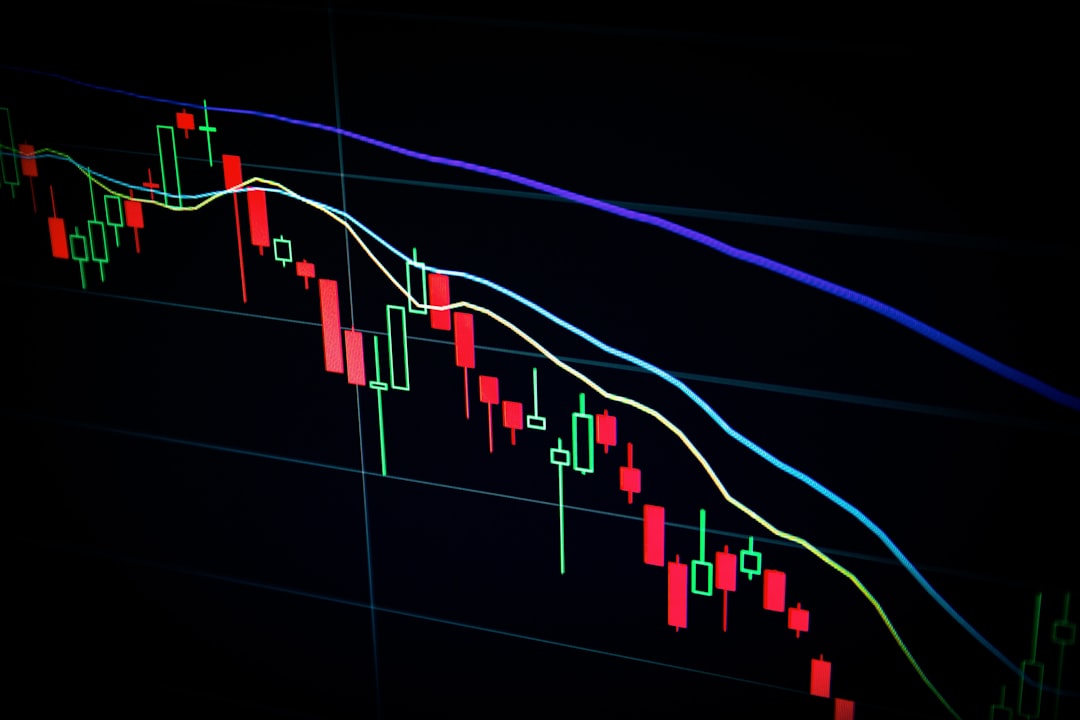
Bear markets test even experienced traders, exposing weaknesses in strategy and discipline that might go unnoticed during bullish conditions. When prices fall and volatility spikes, emotional decision-making often takes over, leading to costly errors that can devastate trading accounts. Understanding these common pitfalls is your first line of defense against significant losses. In this post, we'll examine the seven most frequent mistakes traders make during market downturns and provide actionable strategies to help you navigate bearish conditions with confidence and protect your hard-earned capital.
Fighting the Trend Instead of Trading With It
The most expensive mistake traders make during bear markets is refusing to accept the downtrend. Many traders remain stubbornly bullish, attempting to catch falling knives by buying every dip, expecting an immediate reversal. This behavior stems from recency bias—the false assumption that recent bull market conditions will quickly return.
Why this fails: Bear markets typically last longer and move deeper than most traders anticipate. Constantly buying into weakness without confirmation of trend reversal leads to mounting losses and psychological exhaustion. The market can remain irrational longer than you can remain solvent.
Better approach: Accept the bearish reality and adjust your strategy accordingly. Trade short positions, look for continuation patterns in downtrends, and wait for clear reversal signals with volume confirmation before entering long positions. Remember, the trend is your friend until it definitively ends.
Abandoning Risk Management Principles
Desperation during bear markets often causes traders to violate their risk management rules. They double down on losing positions, remove stop losses hoping for recovery, or increase position sizes to recover losses faster—a dangerous practice known as revenge trading.
| Risk Management Rule | Normal Market | Bear Market Reality |
|---|---|---|
| Position Size | 1-2% per trade | Should reduce to 0.5-1% |
| Stop Loss | Always set | Wider stops, never removed |
| Maximum Drawdown | 10-15% | Accept smaller threshold 5-10% |
| Daily Loss Limit | 3-5% | Reduce to 2-3% |
During volatile downturns, risk management becomes even more critical. Traders who survive bear markets are those who prioritize capital preservation over profit maximization. Your first goal should be protecting what you have, not making spectacular gains.
Over-Trading in High Volatility Conditions
Bear markets generate increased volatility and frequent price swings, creating the illusion of abundant trading opportunities. Inexperienced traders fall into the trap of over-trading, taking too many positions too quickly, often based on emotional reactions rather than solid technical analysis.
The problem: High volatility means wider spreads, increased slippage, and more false signals. Each trade costs money in spreads and commissions, and excessive trading compounds these costs while increasing exposure to whipsaw movements that stop out both sides of a trade.
Solution: Be selective and patient. Focus on higher-quality setups with clear risk-reward ratios of at least 1:2. Reduce your trading frequency by 30-50% compared to bull market activity. Quality always trumps quantity, especially when markets are falling.
Ignoring Safe-Haven Assets and Correlations
Many traders focus exclusively on their preferred currency pairs without understanding how bear markets affect currency correlations and safe-haven flows. During economic uncertainty, capital flows dramatically shift toward safe-haven assets like the US Dollar (USD), Japanese Yen (JPY), and Swiss Franc (CHF).
Traders who ignore these dynamics often find themselves on the wrong side of powerful macro trends. For example, risk-sensitive currencies like AUD, NZD, and emerging market currencies typically weaken significantly during global risk-off environments, regardless of their domestic economic data.
Key insight: Study intermarket relationships between forex, equities, and commodities. When stock markets crash, USD and JPY typically strengthen. Understanding these correlations helps you anticipate currency movements and position your trades accordingly.
Failing to Adapt Trading Strategy
Perhaps the most fundamental error is using the same trading approach that worked during bull markets. Bear markets have different characteristics: faster declines, sharper rebounds (bear market rallies), increased gap risk, and different technical patterns.
What changes in bear markets:
- Support levels break more easily and frequently
- Resistance levels become stronger and harder to break
- Rebounds are typically short-lived and should be sold, not bought
- Momentum indicators may remain oversold for extended periods
- News has asymmetric impact—bad news accelerates declines more than good news creates rallies
Successful bear market traders adjust their strategies to match market conditions. They shorten time frames, tighten profit targets, use trailing stops more aggressively, and remain flexible. Static strategies that refuse to evolve with market conditions inevitably fail when environments change.
Conclusion
Bear markets expose trading weaknesses ruthlessly, but they also create opportunities for disciplined traders who avoid common mistakes. By accepting downtrends, maintaining strict risk management, reducing trading frequency, understanding safe-haven flows, and adapting your strategy, you can not only survive bear markets but potentially profit from them. Remember: capital preservation during downturns positions you to capitalize when markets eventually recover. Protect your trading account first, chase profits second.