
The Difference Between Bullish and Bearish Forex Trends
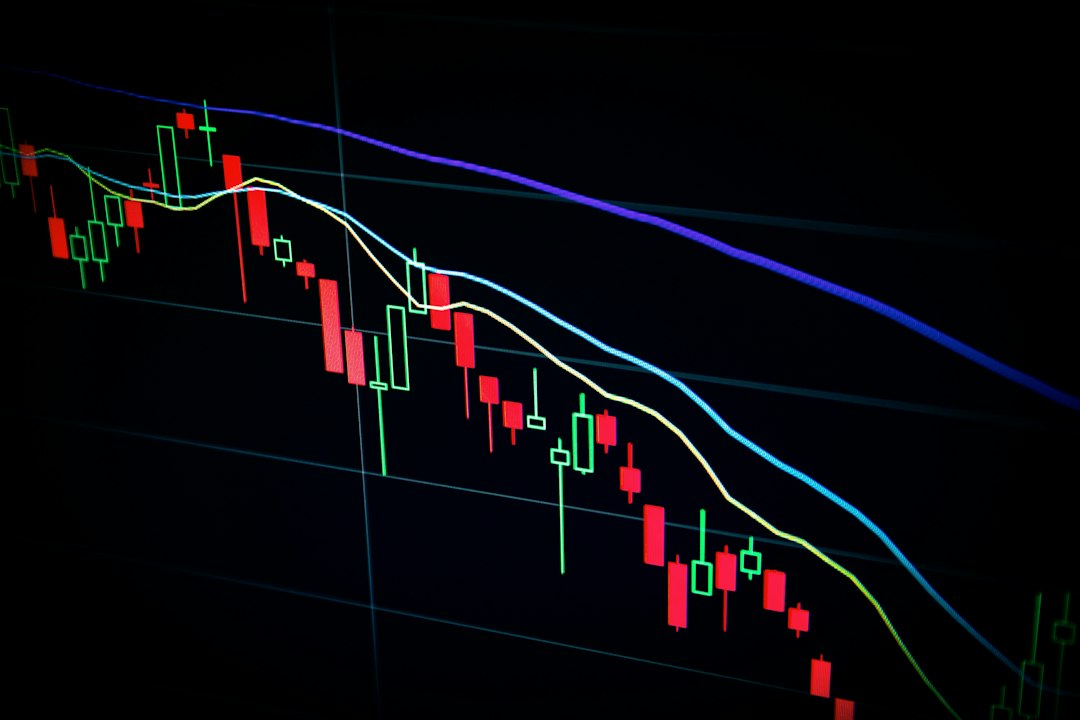
Understanding the fundamental difference between bullish and bearish trends is essential for every Forex trader. These two market directions determine your trading strategy, risk management approach, and profit potential. Whether you're navigating stable markets or economic downturns, recognizing trend direction helps you make informed decisions and protect your capital. This guide breaks down the core characteristics of both trends and shows you how to trade them effectively.
What Defines a Bullish Forex Trend
A bullish trend occurs when a currency pair consistently makes higher highs and higher lows over time. In this environment, buyers dominate the market, pushing prices upward. Traders typically see increased optimism about economic conditions, positive interest rate differentials, or strong GDP growth in the base currency country. Bullish markets generally offer more straightforward trading opportunities, as the prevailing wisdom suggests "buying the dips" during temporary corrections.
Key characteristics of bullish trends include:
- Rising moving averages with price trading above them
- Increasing trading volume on upward price movements
- Strong fundamental support from economic data
- Positive market sentiment and risk appetite
Understanding Bearish Forex Trends
A bearish trend develops when a currency pair creates lower highs and lower lows, indicating sellers control the market. During bearish periods, traders witness declining confidence in the base currency due to factors like economic recession, deteriorating trade balances, or central bank policy shifts. Bearish markets require different strategies, often involving short selling, hedging positions, or staying in cash to preserve capital during extended downturns.
Bearish trend indicators include:
- Declining moving averages with price below key support levels
- Higher volume during price declines
- Negative economic news or geopolitical instability
- Flight to safe-haven currencies like USD, JPY, or CHF
Comparing Trading Strategies for Both Trends
Your trading approach must adapt based on market direction. The table below outlines strategic differences between trading bullish and bearish Forex trends:
| Aspect | Bullish Trend Strategy | Bearish Trend Strategy |
|---|---|---|
| Primary Position | Long (Buy) | Short (Sell) |
| Entry Timing | Pullbacks to support | Rallies to resistance |
| Risk Management | Stop-loss below support | Stop-loss above resistance |
| Profit Targets | Previous highs or extensions | Previous lows or breakdowns |
| Market Psychology | Greed and optimism dominate | Fear and caution prevail |
During bullish trends, traders focus on momentum indicators like RSI and MACD to identify continuation patterns. In contrast, bearish markets require heightened attention to support levels, as breakdowns often accelerate quickly. Many professional traders reduce position sizes during bearish periods due to increased volatility and unpredictable price action.
Identifying Trend Reversals and Market Transitions
Markets don't stay bullish or bearish forever. Trend reversals represent critical transition points where momentum shifts from one direction to another. Common reversal signals include divergence between price and momentum indicators, double tops in uptrends, or double bottoms in downtrends. Volume patterns also provide clues—declining volume during a trend's later stages often precedes reversal.
Watch for these reversal indicators:
- Break of significant trendlines or moving averages
- Candlestick patterns like engulfing candles or hammers
- Fundamental shifts in central bank policy or economic outlook
- Extreme sentiment readings suggesting exhaustion
Risk Management in Different Market Conditions
Proper risk management becomes even more critical during bearish trends when volatility increases and losses can accelerate. During bullish periods, traders may use 1-2% risk per trade, while conservative approaches during bearish markets might reduce this to 0.5-1%. Position sizing should reflect current market conditions—smaller positions during uncertainty allow you to preserve capital for better opportunities.
Consider these protective measures during bearish trends: implement tighter stop-losses, diversify across non-correlated pairs, increase cash reserves, and avoid overleveraging. Many experienced traders reduce their trading frequency during prolonged downturns, waiting for clearer setups with favorable risk-reward ratios rather than forcing trades in choppy conditions.
Understanding the difference between bullish and bearish Forex trends empowers you to adapt your strategy based on market conditions. Whether you're buying strength or selling weakness, recognizing trend direction helps you align with market momentum rather than fighting against it. Focus on disciplined risk management, stay informed about fundamental factors driving currency movements, and always trade with a plan that accounts for both favorable and adverse market environments.