
Forex Trading vs Stock Trading During Bear Markets: Which Survives?
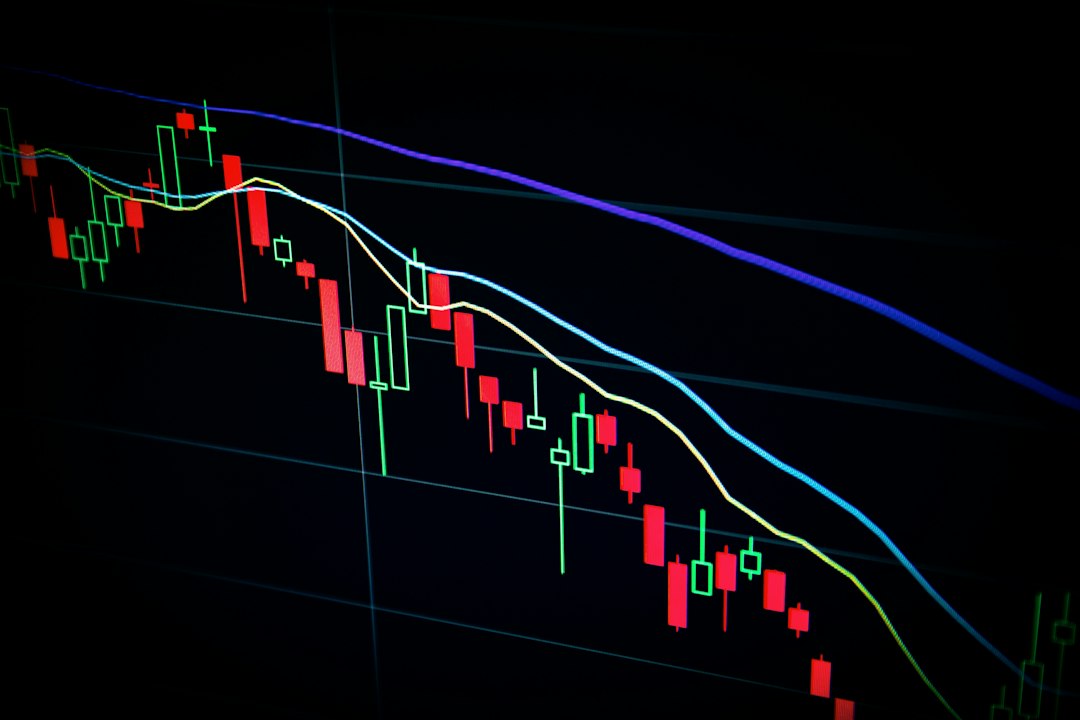
When markets turn bearish, traders face critical decisions about where to deploy their capital. Both forex and stock markets experience downturns, but they behave differently during economic crises. Understanding these differences can help you choose the right trading arena for surviving market crashes and protecting your capital during prolonged downturns.
Market Structure and Accessibility During Downturns
Forex and stock markets have fundamentally different structures that affect trading during bear markets. The forex market operates 24/5 across global sessions, providing continuous liquidity even during crisis periods. Stock markets, constrained by exchange hours, can experience overnight gaps that amplify losses during panic selling.
Liquidity differences become crucial during crashes: Major currency pairs like EUR/USD maintain tight spreads even in volatile conditions, while individual stocks can see liquidity dry up completely. Circuit breakers in stock exchanges halt trading during extreme moves, potentially trapping traders in positions. Forex markets have no such mechanisms, offering continuous price discovery but also uninterrupted risk exposure.
The decentralized nature of forex means no single entity can halt trading, but it also means less regulatory protection. Stock exchanges provide more oversight but can impose trading restrictions during crises, as seen in the 2020 pandemic crash when some platforms limited purchases of volatile stocks.
Profit Opportunities in Falling Markets
Both markets allow profiting from declines, but execution differs significantly. Forex traders naturally go short by selling one currency against another—there's no uptick rule or borrowing required. Every forex trade involves simultaneously buying and selling, making bearish positions as straightforward as bullish ones.
Stock traders face additional hurdles when going short:
- Borrowing requirements and margin interest on short positions
- Potential restrictions on short-selling during extreme volatility
- Limited availability of shares to borrow for popular short targets
- Risk of unlimited losses if heavily shorted stocks squeeze higher
Currency pairs can trend strongly during bear markets as investors flee to safe-haven currencies like USD, JPY, or CHF. Individual stocks, however, may face company-specific bankruptcy risks that create total loss scenarios. Diversified stock indices offer some protection but still cannot be traded as seamlessly short as currency pairs.
Forex vs Stocks: Bear Market Comparison
| Feature | Forex Trading | Stock Trading |
|---|---|---|
| Market Hours | 24/5 continuous | Limited exchange hours |
| Short Selling | Natural, no restrictions | Borrowing required, potential limits |
| Leverage Available | High (50:1 to 500:1) | Lower (2:1 to 4:1) |
| Bankruptcy Risk | Sovereign default only | Individual company failure |
| Safe-Haven Assets | USD, JPY, CHF pairs | Must exit to bonds/gold |
Leverage and Risk Management Considerations
Leverage magnifies both opportunities and dangers during bear markets. Forex brokers typically offer leverage ratios of 50:1 or higher, while stock trading is limited to 2:1 or 4:1 in most jurisdictions. During volatile downturns, high leverage can quickly wipe out accounts through margin calls.
Bear market volatility interacts dangerously with leverage. A 2% adverse move in a currency pair with 50:1 leverage equals a 100% account loss. Stock traders with lower leverage face less dramatic margin call scenarios. However, forex's high liquidity usually ensures fills near market prices, while stocks can gap through stop-losses during panic selling.
Position sizing becomes critical in both markets, but forex's fractional lot sizes (micro and nano lots) allow more precise risk calibration. Stock traders must buy whole shares, limiting flexibility for accounts under $10,000. Both markets require strict stop-losses during bear markets, but forex's continuous pricing offers more reliable execution.
Correlation and Diversification Benefits
During bear markets, stock indices typically move in tandem as fear spreads across sectors. Forex markets offer true diversification—while stocks fall globally, currency pairs represent relative strength between economies. Some currencies strengthen during stock market crashes as safe-haven flows dominate.
The USD often rallies when US stocks plummet, as global investors seek dollar liquidity. Japanese yen strengthens during risk-off periods due to carry trade unwinding. These inverse correlations allow forex traders to profit from the same market fear that punishes stock portfolios. Stock traders must exit equities entirely to access safe havens, incurring transaction costs and timing risk.
Currency correlations also provide hedging opportunities: A portfolio heavy in US stocks can be partially hedged with long USD positions against emerging market currencies. This nuanced risk management is difficult to replicate within stock markets alone, where going short simply inverts equity exposure without accessing different asset classes.
Conclusion
Neither forex nor stock trading offers a guaranteed safe haven during bear markets, but each presents distinct advantages. Forex provides continuous liquidity, natural short-selling, and safe-haven currency access, while stocks offer lower leverage risk and regulatory protections. Successful bear market traders often utilize both markets, matching strategy to personal risk tolerance and market conditions. Focus on risk management, position sizing, and understanding each market's unique characteristics rather than seeking a single "best" option.