
How Bear Markets Change Forex Trading Opportunities
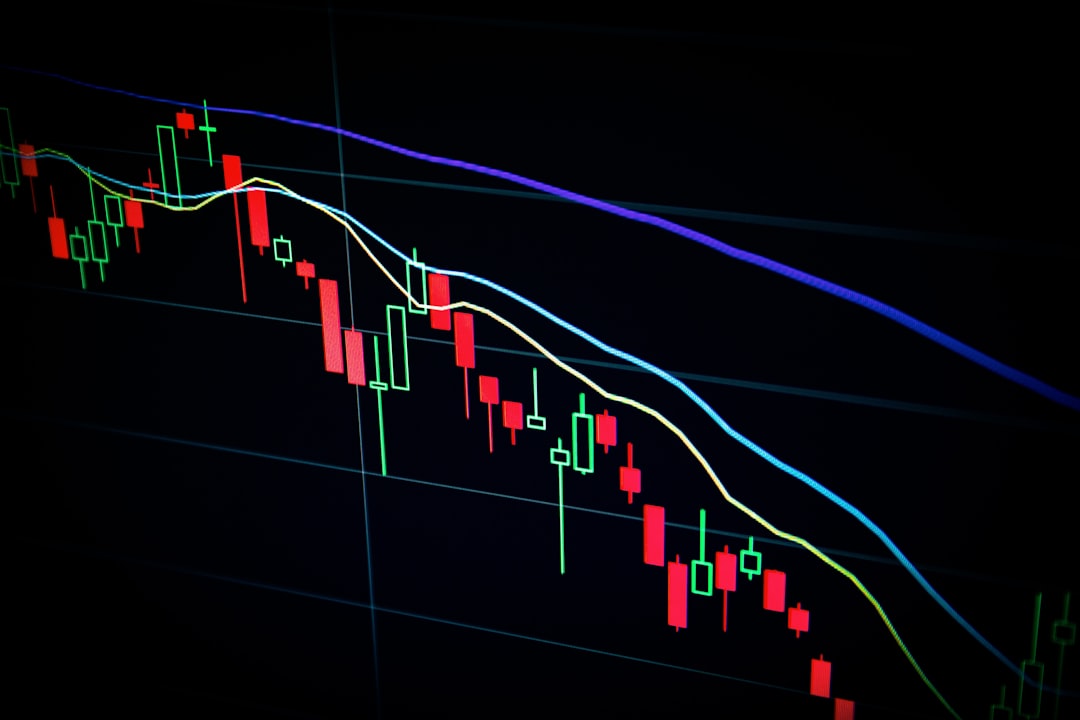
Bear markets fundamentally transform the Forex trading landscape, creating both challenges and unique opportunities for currency traders. During periods of economic decline and falling asset prices, traditional trading strategies often fail while new approaches emerge. This guide explores how bearish conditions reshape currency pair behavior, shift trader psychology, and demand adaptive risk management techniques that can help you navigate turbulent market waters successfully.
Understanding Bear Market Dynamics in Forex
Unlike stock markets where bear conditions mean universal decline, Forex operates on currency pairs—meaning one currency's weakness creates another's strength. During bear markets, traders shift from risk-on to risk-off sentiment, dramatically altering currency correlations. Safe-haven currencies like the US Dollar (USD), Japanese Yen (JPY), and Swiss Franc (CHF) typically strengthen as investors flee riskier assets. Meanwhile, commodity currencies such as the Australian Dollar (AUD) and Canadian Dollar (CAD) often weaken alongside falling commodity prices. This creates predictable directional biases that informed traders can exploit. Understanding these shifts is crucial because the pairs that performed well during bull markets may become consistent losers when sentiment turns bearish.
Safe-Haven Currency Pairs for Defensive Trading
Bear markets elevate certain currency pairs to prominence as traders seek stability and capital preservation. The following table compares major safe-haven pairs and their characteristics during downturns:
| Currency Pair | Bear Market Behavior | Volatility Level | Best For |
|---|---|---|---|
| USD/JPY | JPY strengthens | Medium | Risk-off trades |
| USD/CHF | CHF strengthens | Low-Medium | Capital preservation |
| EUR/USD | USD strengthens | Medium-High | Dollar strength plays |
| AUD/JPY | Sharp decline | High | Bearish trend following |
JPY and CHF crosses become particularly attractive as these currencies benefit from safe-haven flows. Trading pairs like EUR/JPY or GBP/JPY on the short side can provide consistent downside opportunities. However, these pairs also experience sharp counter-trend rallies, requiring disciplined stop-loss placement.
Volatility Management and Position Sizing
Bear markets bring heightened volatility that demands stricter risk controls than bullish conditions. Position sizing should be reduced by 30-50% compared to normal market conditions to account for unpredictable price swings. Many experienced traders adopt the following adjustments:
- Reduce leverage from 10:1 to 5:1 or lower
- Widen stop-losses to accommodate increased volatility
- Take profits more frequently rather than holding for extended gains
- Limit exposure to no more than 2-3 positions simultaneously
Implementing volatility-based position sizing using the Average True Range (ATR) indicator helps maintain consistent risk across different market conditions. When ATR increases, position size decreases proportionally, protecting your capital during violent market swings that characterize bear phases.
Shifting from Trend Following to Range Trading
Bull markets reward trend-following strategies, but bear markets often create choppy, range-bound conditions punctuated by sharp declines. Many major currency pairs oscillate within established ranges as uncertainty keeps traders hesitant. Range-trading strategies that buy support and sell resistance levels become more profitable than attempting to ride extended trends. Support and resistance levels gain increased importance as psychological price points where institutional traders place orders. Oscillators like the Relative Strength Index (RSI) and Stochastic become more reliable for identifying overbought and oversold conditions within ranges. However, traders must remain alert for range breakdowns that signal continuation of the broader bearish trend, requiring quick adaptation to avoid being caught on the wrong side of a breakout.
Psychological Preparation and Trading Discipline
The mental challenges of bear market trading often exceed the technical difficulties. Fear and uncertainty dominate market psychology, creating emotional pressure that leads to impulsive decisions. Successful bear market traders develop specific psychological strategies: maintaining smaller position sizes reduces emotional attachment to individual trades, setting strict daily loss limits prevents catastrophic drawdown, and accepting that fewer trading opportunities exist helps avoid overtrading. Many traders find that their win rate decreases during bear markets even as their risk-reward ratio improves, requiring acceptance of more frequent small losses in pursuit of occasional larger gains. Keeping a detailed trading journal becomes especially valuable for identifying emotional patterns that emerge specifically during market downturns.
Bear markets fundamentally reshape Forex trading by shifting currency correlations, increasing volatility, and demanding defensive strategies. Success requires recognizing safe-haven currency dynamics, implementing rigorous risk management, adapting technical approaches, and maintaining psychological discipline. While challenging, bear markets create distinct opportunities for traders who adjust their methods appropriately. Focus on capital preservation, reduce position sizes, and remain patient—surviving bear markets positions you for success when bullish conditions eventually return.