
How Forex Volatility Changes During Economic Fear
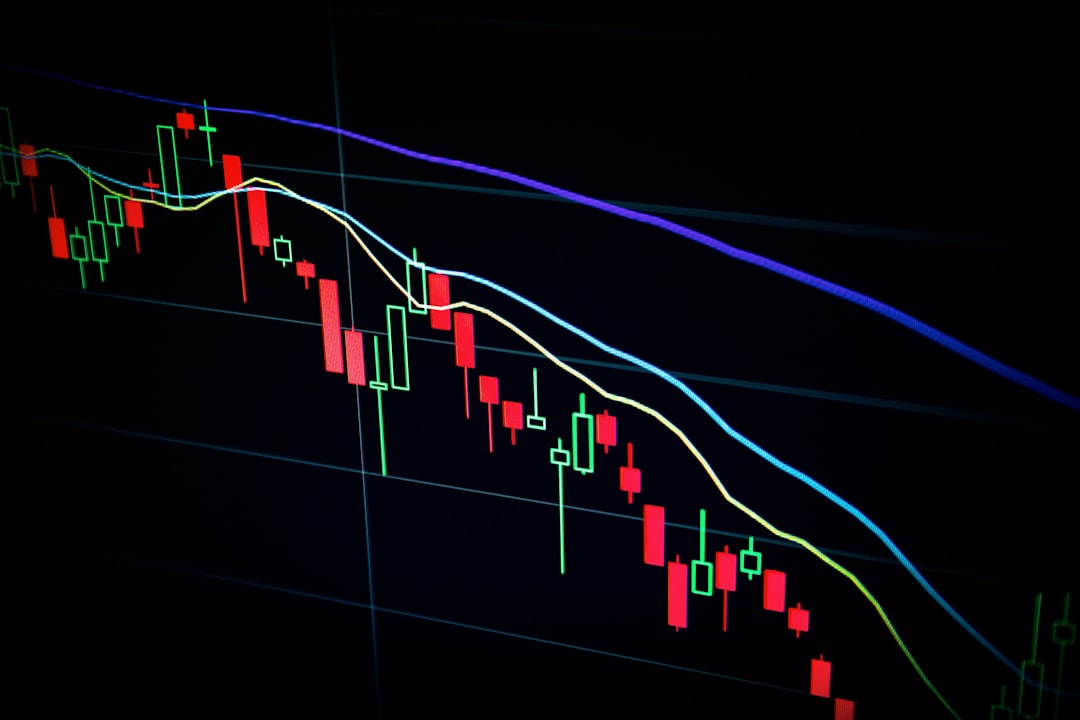
Economic fear triggers dramatic shifts in Forex markets, transforming calm trading conditions into periods of extreme volatility. When investors panic about recession, inflation, or geopolitical crises, currency pairs experience rapid price swings that can devastate unprepared traders. Understanding how volatility behaves during fearful periods is essential for protecting capital and identifying opportunities. This guide explores the mechanics of fear-driven volatility, which currencies are most affected, and practical strategies for navigating turbulent market conditions.
The Psychology Behind Fear-Driven Volatility
Economic fear fundamentally alters trader behavior, creating self-reinforcing cycles of volatility. When uncertainty spreads, market participants rush to adjust positions, triggering massive order flows that amplify price movements. Herd mentality takes over as traders follow the crowd into safe-haven assets, abandoning riskier currencies. This collective behavior creates liquidity gaps where prices jump between levels without gradual transitions.
Fear also compresses decision-making timeframes. Traders who normally hold positions for days or weeks suddenly close trades within hours, increasing turnover and volatility. Institutional investors hedge portfolios aggressively, while retail traders either freeze in panic or make impulsive decisions. The combination of reduced liquidity and heightened emotional trading creates the perfect storm for volatility spikes that can exceed 200-300% of normal ranges.
Currency Pairs Most Affected by Economic Fear
Not all currency pairs respond equally to economic fear. Understanding which pairs experience the most dramatic volatility changes helps traders focus their attention and adjust position sizes appropriately.
| Currency Pair | Volatility Change | Reason |
|---|---|---|
| EUR/USD | Moderate Increase | Global reserve status dampens extreme moves |
| GBP/JPY | Extreme Increase | Risk-off flows into yen spike volatility |
| AUD/USD | High Increase | Commodity exposure amplifies fear reactions |
| USD/JPY | High Increase | Safe-haven yen demand creates sharp swings |
Emerging market currencies typically see the most violent volatility increases during economic fear. Pairs like USD/TRY, USD/ZAR, and USD/MXN can experience daily ranges expanding by 400% or more as capital flees developing economies. Even normally stable pairs like EUR/CHF become unpredictable when the Swiss franc's safe-haven appeal intensifies.
Measuring Volatility During Fear Episodes
Quantifying volatility changes requires understanding key metrics that signal when fear is driving market behavior. Average True Range (ATR) typically doubles or triples during fear episodes compared to calm periods. When EUR/USD's 14-day ATR jumps from 60 pips to 150 pips, you're witnessing fear-driven volatility expansion.
The VIX index, though equity-focused, correlates strongly with Forex volatility during economic fear. When VIX exceeds 30, currency markets typically experience elevated volatility that persists until fear subsides. Currency-specific volatility indices like the Deutsche Bank Currency Volatility Index provide direct measurements of Forex fear.
Watch for gap openings at market opens—these signal that fear persisted through closed-market periods. If Sunday night opening prices gap 50+ pips away from Friday's close, economic fear is controlling the market. Increased correlation between typically independent currency pairs also indicates fear-driven trading, as everything moves in sync based on risk appetite rather than individual fundamentals.
Trading Strategies for High-Volatility Fear Periods
Adapting your trading approach during economic fear is critical for survival. Reduce position sizes by 50-75% to account for expanded volatility—your normal 1% risk per trade becomes 2-3% risk if you don't adjust. Wider stop-losses are necessary but must be balanced against reduced position size to maintain consistent monetary risk.
Consider these tactical adjustments during fear-driven volatility:
- Switch to shorter timeframes for trade management while using longer timeframes for directional bias
- Focus on safe-haven flows rather than technical patterns that break down in fear markets
- Avoid range-trading strategies as support and resistance levels fail during panic
- Implement time-based stops to exit trades if your thesis doesn't play out quickly
Many experienced traders simply step aside during peak fear volatility, preserving capital until conditions normalize. There's no shame in waiting out the storm—protecting your account ensures you're alive to trade when rational pricing returns.
When Volatility Returns to Normal
Recognizing when fear-driven volatility is subsiding helps traders time their re-entry into normal trading strategies. ATR declining for three consecutive days often signals the worst volatility is past. Gap openings diminishing in size and frequency indicate overnight fear is easing.
Watch for correlation breakdowns where currency pairs begin moving independently again based on their unique fundamentals rather than pure risk sentiment. When EUR/USD and AUD/USD stop moving in perfect lockstep, individual currency drivers are reasserting themselves. Trading volumes typically remain elevated even as volatility normalizes—this combination creates ideal conditions for trend-following strategies.
Understanding how Forex volatility transforms during economic fear empowers traders to protect capital while positioning for opportunities. By reducing risk exposure, focusing on safe-haven flows, and recognizing when conditions normalize, you can navigate even the most turbulent market environments. Remember that survival matters more than profits during fear episodes—traders who preserve capital during volatility storms emerge stronger when calm returns.