
How Geopolitical Crises Influence Forex Volatility
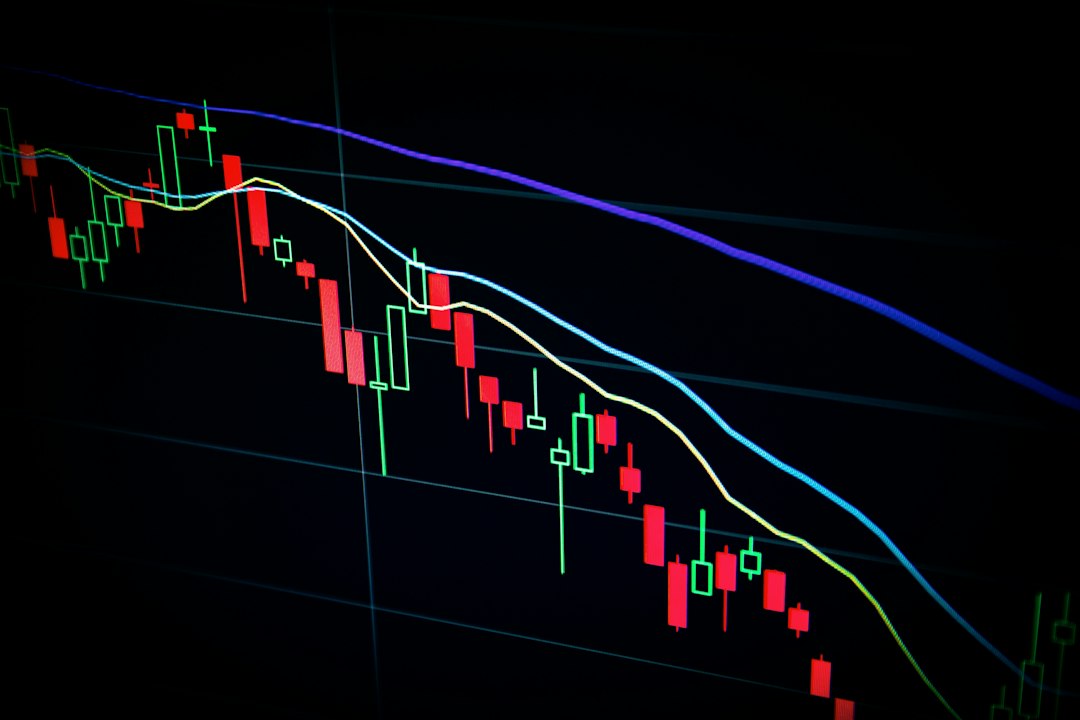
Geopolitical crises represent one of the most unpredictable forces in Forex markets, capable of triggering sudden and extreme currency volatility. From military conflicts and trade wars to sanctions and diplomatic breakdowns, political instability reshapes investor confidence and capital flows within hours. Understanding how these events influence exchange rates is essential for traders navigating turbulent markets. This guide explores the mechanisms behind geopolitical volatility, identifies which currencies react most dramatically, and provides practical strategies for managing risk during international crises.
The Direct Link Between Political Instability and Currency Movements
Geopolitical crises immediately impact currency markets through three primary channels. First, risk sentiment shifts drive capital toward or away from affected regions, causing rapid appreciation or depreciation. Second, economic sanctions and trade disruptions alter fundamental supply-demand dynamics for currencies. Third, central bank interventions often follow major political events as governments attempt to stabilize markets. For example, when Russia invaded Ukraine in 2022, the ruble plummeted over 30% in days, while safe-haven currencies like the Swiss franc and Japanese yen surged. Trade tensions between the US and China have repeatedly triggered volatility in the yuan and related Asian currencies. Elections, referendums, and sudden policy shifts create similar patterns. Traders must recognize that geopolitical events often override traditional technical indicators, making fundamental analysis and news monitoring critical during crisis periods.
Safe-Haven Currencies vs High-Risk Currency Responses
Different currencies respond distinctly to geopolitical stress based on their economic profiles and perceived stability. Safe-haven currencies typically strengthen during crises as investors seek security, while commodity and emerging market currencies often weaken due to risk aversion. Understanding these patterns helps traders position themselves appropriately when tensions escalate.
| Currency Type | Crisis Response | Primary Drivers |
|---|---|---|
| USD (US Dollar) | Usually strengthens | Reserve status, liquidity |
| CHF (Swiss Franc) | Strong appreciation | Neutrality, stability |
| JPY (Japanese Yen) | Moderate appreciation | Low rates, repatriation flows |
| Emerging Market FX | Sharp depreciation | Capital flight, risk-off sentiment |
| Commodity FX (AUD, CAD) | Weakness if oil/metals fall | Resource dependence |
The table above demonstrates typical patterns, but context matters. If a crisis directly involves the US, the dollar may weaken instead of strengthening. Similarly, oil-producing nations' currencies might strengthen during energy-focused conflicts despite general risk-off conditions.
Trading Strategies During Geopolitical Uncertainty
Navigating Forex markets during geopolitical crises requires defensive positioning and disciplined risk management. Reduce position sizes immediately when tensions escalate, as volatility can trigger stop-losses prematurely. Consider these tactical approaches: implement wider stop-losses to accommodate increased price swings while maintaining appropriate risk-reward ratios; focus on safe-haven pairs like USD/JPY or CHF/JPY rather than exotic crosses; avoid holding positions through major geopolitical announcements or events; use options strategies to hedge directional positions against sudden reversals. Many experienced traders shift to shorter timeframes during crises, capitalizing on intraday volatility while avoiding overnight gap risk. News trading becomes more viable but also riskier, as initial price reactions often reverse within hours. The key is accepting lower returns in exchange for capital preservation during periods when market behavior becomes unpredictable and technically irrational.
Monitoring Geopolitical Risk Indicators
Successful crisis trading depends on early recognition of escalating tensions before they trigger major volatility. Monitor these critical indicators: VIX index levels above 20 signal increasing market fear; government bond yields falling rapidly indicate flight to safety; gold prices rising alongside safe-haven currency strength; diplomatic statements from major powers suggesting confrontation. Develop a routine for checking international news sources, central bank communications, and economic calendars for scheduled political events. Subscribe to geopolitical risk services or follow reputable analysts who specialize in international relations. Remember that markets often price in potential crises before they materialize—currency movements frequently begin when tensions first emerge, not when conflicts actually start. Building awareness of developing situations provides crucial lead time for adjusting positions and reducing exposure before volatility spikes destroy unprepared accounts.
Conclusion: Adapting to Political Market Drivers
Geopolitical crises fundamentally reshape Forex volatility patterns, creating both significant risks and strategic opportunities for informed traders. By understanding how different currencies respond to political instability, implementing defensive trading strategies, and monitoring early warning indicators, you can navigate these turbulent periods while protecting capital. Focus on risk management first, profit potential second, and never assume political situations will resolve predictably. Stay informed, trade smaller, and respect the power of geopolitical forces to override all other market factors.