
How Recession Fears Affect Global Currency Markets
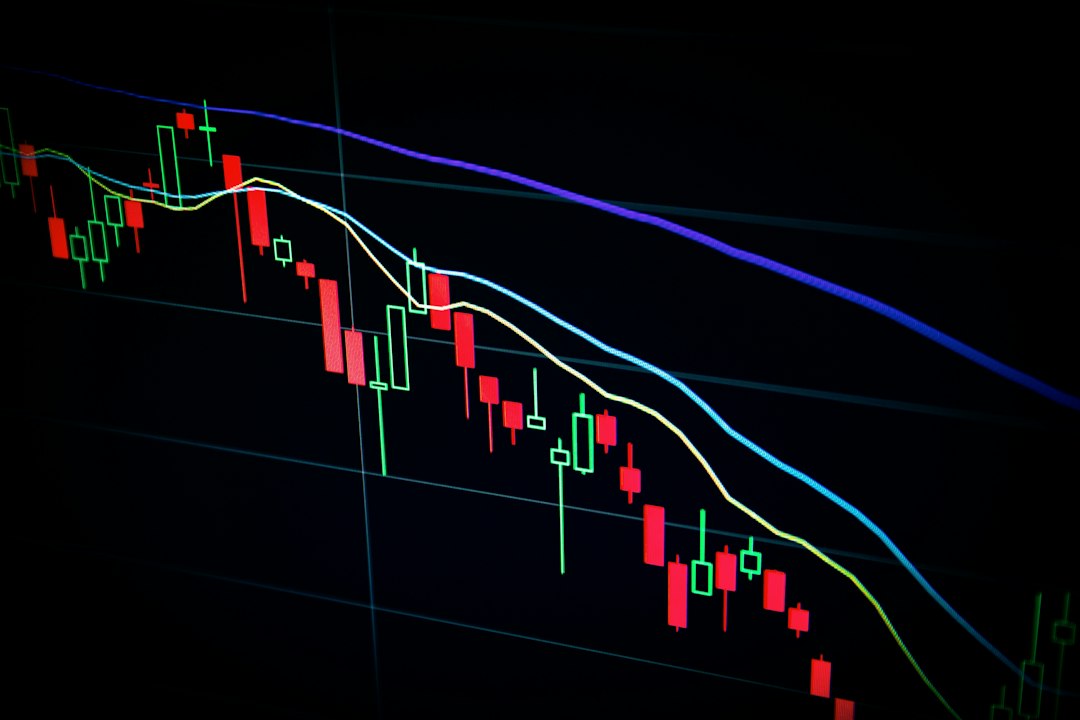
Recession fears send shockwaves through global currency markets, triggering rapid capital flows and extreme volatility. When economic indicators signal contraction, traders scramble to reposition portfolios, central banks adjust monetary policy, and safe-haven currencies surge while riskier assets plummet. Understanding how recession expectations reshape Forex dynamics is essential for protecting capital and identifying opportunities during market downturns. This guide reveals the mechanisms behind currency movements during economic crises and practical strategies for navigating recessionary markets.
The Flight to Safety Phenomenon
When recession fears intensify, investors engage in a predictable pattern called flight to safety—rapidly moving capital from risky assets into perceived safe havens. This mass exodus creates dramatic currency movements within hours or days. The US dollar, Japanese yen, and Swiss franc typically strengthen as global reserve currencies and traditional refuges during uncertainty.
Emerging market currencies face the opposite pressure. Countries dependent on commodity exports or carrying significant foreign debt see their currencies weaken sharply as investors withdraw capital. This creates a widening spread between safe-haven and risk-sensitive currencies that experienced traders can monitor for entry and exit signals.
| Currency Type | Recession Response | Risk Level |
|---|---|---|
| USD (Safe Haven) | Typically strengthens | Low |
| JPY (Safe Haven) | Usually appreciates | Low |
| Emerging Markets | Often depreciates sharply | High |
| Commodity Currencies | Weakens with demand | Medium-High |
Central Bank Policy Responses
Central banks become the dominant force in currency markets during recession fears. Anticipation of rate cuts, quantitative easing, or emergency interventions drives massive speculation. The Federal Reserve, European Central Bank, and Bank of Japan telegraph policy intentions through forward guidance, creating tradable opportunities weeks before actual implementation.
However, policy divergence between regions creates cross-currency volatility. If the Fed cuts rates aggressively while the ECB maintains hawkish stance, the EUR/USD pair can experience unprecedented swings. Traders must monitor central bank communications, economic data releases, and policy meeting minutes to anticipate directional moves and manage risk appropriately.
Correlation Breakdowns and Portfolio Impact
Normal market correlations often break down during recession fears. Currency pairs that typically move together may suddenly diverge as country-specific factors override broader trends. The Australian dollar and New Zealand dollar usually correlate strongly, but recession fears affecting China differently than global markets can split these pairs.
Risk management becomes critical as historical patterns fail. Position sizing should decrease significantly during high-uncertainty periods. Many professional traders reduce leverage by 50-70% when recession indicators flash warning signs. Stop-loss orders require wider placement to account for gap risk and flash crashes that commonly occur during panic selling.
Trading Strategies for Recessionary Markets
Successful recession trading requires abandoning strategies optimized for growth environments. Trend-following systems that work in bull markets often fail during violent reversals. Instead, focus on range-bound strategies, safe-haven pairs, and volatility-based approaches.
Key tactical adjustments include: monitoring yield curve inversions as early warning signals, trading safe-haven crosses like USD/JPY or CHF/JPY during risk-off events, avoiding over-leveraged positions in emerging market currencies, and using options strategies to limit downside while maintaining upside participation. The goal shifts from maximizing returns to capital preservation with selective opportunities.
Economic Indicators That Matter Most
During recession fears, certain economic releases gain outsized importance. Non-farm payrolls, GDP growth rates, manufacturing PMI, and consumer confidence can trigger 100+ pip moves in major pairs within minutes. Leading indicators like yield spreads and housing starts provide advance warning of deteriorating conditions.
Traders should create an economic calendar focused specifically on recession-sensitive data. Corporate earnings, credit spreads, and commodity prices also offer valuable insight into currency direction. The key is distinguishing between noise and genuine signals of economic contraction that will drive sustained currency trends.
Recession fears fundamentally alter currency market dynamics, rewarding traders who adapt strategies to defensive positioning and safe-haven flows. Success requires monitoring central bank policies, respecting heightened volatility, and prioritizing capital preservation over aggressive profit targets. Master these principles to navigate economic downturns while protecting your trading capital from severe drawdowns.