
How to Manage Risk During Extreme Forex Volatility
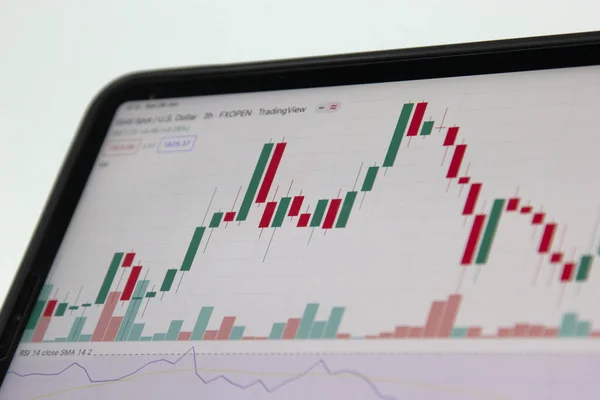
Extreme volatility in Forex markets can wipe out unprepared traders within minutes. During economic crises, central bank announcements, or geopolitical shocks, currency pairs can swing hundreds of pips in seconds. This guide reveals essential risk management strategies to protect your trading capital when markets turn chaotic and unpredictable.
Understanding Extreme Volatility and Its Dangers
Extreme volatility occurs when market conditions create rapid, unpredictable price movements that exceed normal trading ranges. During these periods, the VIX often spikes, spreads widen dramatically, and liquidity can disappear without warning. Stop losses may fail to execute at intended prices due to slippage, and margin calls become more frequent as account equity fluctuates wildly.
Common triggers include major economic data releases, surprise interest rate decisions, political instability, or market crashes. Traders must recognize these conditions early to adjust their approach. The key danger isn't just losing trades—it's catastrophic losses that occur when position sizes are too large or protective measures fail during extreme price gaps.
Position Sizing: Your First Line of Defense
During volatile periods, reducing position size is non-negotiable. Many professional traders cut their normal position sizes by 50-75% when volatility indicators reach extreme levels. This approach preserves capital while maintaining market exposure.
Calculate position size using the following principles:
- Risk no more than 0.5-1% of account equity per trade (reduced from the normal 1-2%)
- Factor in wider stop losses required during volatile conditions
- Account for potential slippage of 20-50 pips or more
- Consider reducing leverage from typical levels to 5:1 or lower
Position sizing becomes more critical than entry timing during extreme volatility. A perfect analysis means nothing if one trade can devastate your account. Conservative sizing allows you to survive multiple losing trades while markets stabilize.
Stop Loss Strategy Adjustments for Volatile Markets
Standard stop loss placement fails during extreme volatility because normal technical levels become meaningless. Price can gap through support and resistance as if they don't exist. Guaranteed stop losses, offered by some brokers for a premium, become worth considering despite their cost during high-impact events.
| Stop Loss Type | Pros | Cons | Best For |
|---|---|---|---|
| Guaranteed Stop | No slippage risk | Higher cost, wider spreads | Major news events |
| Mental Stop | Flexible, no front-running | Requires discipline | Experienced traders only |
| Time-Based Stop | Limits exposure duration | May exit prematurely | Event-driven volatility |
| Volatility-Adjusted | Adapts to conditions | Complex calculation | Algorithmic traders |
Consider using time-based stops during extreme volatility—exit positions after a predetermined time period regardless of profit or loss. This prevents extended exposure to unpredictable conditions. Place stops at least 1.5-2 times wider than normal ATR (Average True Range) readings suggest.
Hedging and Diversification Techniques
Hedging provides insurance against catastrophic losses during volatile periods. Currency correlation hedging involves opening opposite positions in positively correlated pairs (like EUR/USD and GBP/USD) to offset potential losses. While this reduces profit potential, it significantly limits downside risk.
Additional hedging strategies include:
- Trading safe-haven currencies (CHF, JPY) against riskier pairs
- Using options to cap maximum losses while maintaining upside potential
- Spreading risk across multiple uncorrelated currency pairs
- Temporarily moving capital to less volatile markets or cash equivalents
Diversification during volatility doesn't mean trading more pairs—it means ensuring your positions aren't all vulnerable to the same market shock. Avoid overexposure to single currencies or correlated movements.
Psychological Discipline When Markets Turn Violent
The greatest risk during extreme volatility isn't market movement—it's trader psychology. Revenge trading after volatile losses destroys more accounts than the initial drawdowns. Fear and greed amplify during rapid price swings, leading to impulsive decisions that violate trading plans.
Maintain psychological stability by:
- Stepping away from screens during peak emotional stress
- Pre-committing to maximum daily loss limits (2-3% of account)
- Keeping a trading journal to review emotional decisions objectively
- Accepting that sitting out extreme volatility is a valid strategy
Professional traders often reduce trading frequency or stop entirely when volatility exceeds their comfort level. There's no shame in preserving capital by waiting for clearer market conditions. Missing potential profits is always preferable to taking actual losses.
Remember: surviving extreme volatility requires reducing risk, accepting smaller profits, and prioritizing capital preservation over aggressive gains. Markets will stabilize, and opportunities will return—but only if you protect your trading capital today. Implement these risk management strategies before the next volatility spike, not during it.