
How to Protect Trading Capital During Market Crashes
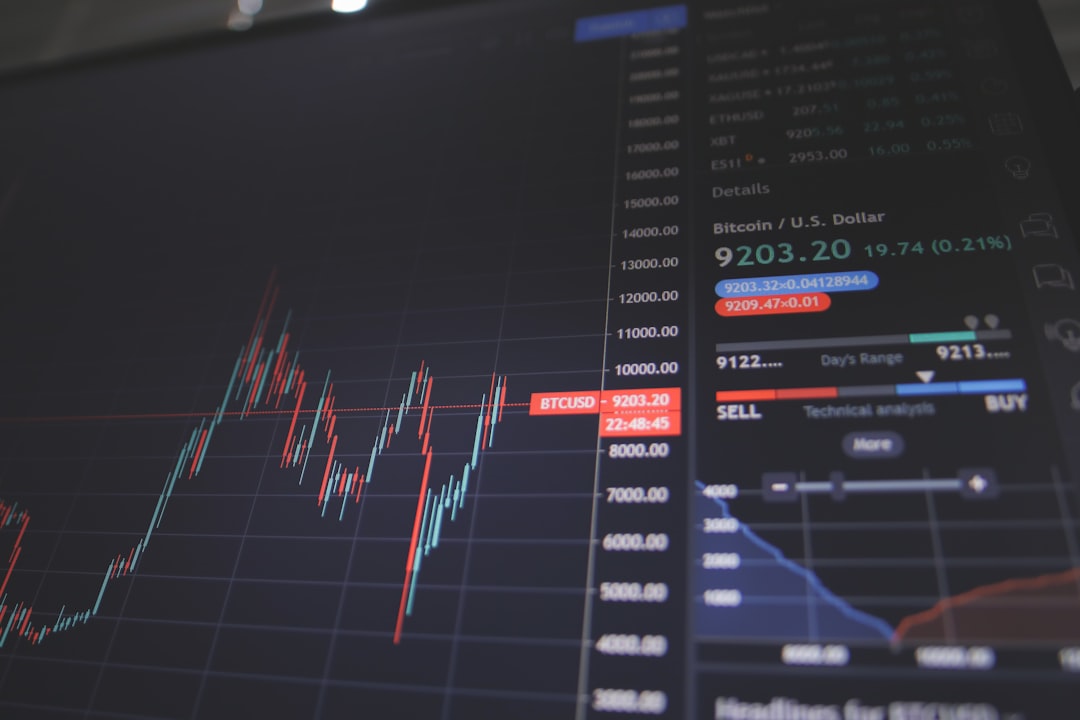
Market crashes can devastate unprepared traders, wiping out months or years of gains in days. During extreme volatility and panic-driven sell-offs, protecting your trading capital becomes more critical than pursuing profits. This guide explores practical strategies to safeguard your Forex account when markets collapse, focusing on risk management, defensive positioning, and psychological discipline that every trader needs during financial turmoil.
Implement Strict Position Sizing and Stop Losses
The foundation of capital protection lies in how much you risk per trade. During market crashes, volatility spikes dramatically, making position sizing even more critical. Never risk more than 1-2% of your total capital on a single trade, regardless of how confident you feel. This means if you have a $10,000 account, your maximum loss per trade should be $100-200.
Set stop-loss orders on every position without exception. Market crashes often feature gap openings and rapid price movements that can bypass mental stops. Use guaranteed stop-loss orders when available, especially during high-risk periods. Consider widening your stops slightly to account for increased volatility, but proportionally reduce position size to maintain your risk percentage. Remember that preservation trumps profit during crashes—surviving allows you to trade another day when markets stabilize.
Reduce Overall Market Exposure Immediately
When warning signs appear or crashes begin, cut your total market exposure by 50% or more. This doesn't mean closing all positions randomly, but strategically reducing your risk across your portfolio. Close your weakest positions first—those with unclear technical setups or against strong trends.
Consider moving to the sidelines entirely if you're uncertain. There's no requirement to trade during chaos, and cash is a position. Professional traders often reduce leverage from their normal 10:1 or 20:1 down to 2:1 or 5:1 during crashes. Lower leverage means smaller losses when markets move violently against you. Track your total account risk percentage—the sum of all open position risks should never exceed 5-6% during normal times and should drop to 2-3% during crashes.
Focus on Safe-Haven Currencies and Defensive Pairs
Not all currency pairs behave equally during market crashes. Understanding which currencies strengthen and which weaken helps you position defensively. The table below compares typical safe-haven and risk-on currencies during crashes:
| Currency | Crash Behavior | Typical Movement |
|---|---|---|
| USD | Safe-haven | Strengthens during global crises |
| JPY | Safe-haven | Appreciates as carry trades unwind |
| CHF | Safe-haven | Gains on European uncertainty |
| AUD | Risk-on | Weakens with commodity prices |
| NZD | Risk-on | Falls during risk aversion |
Position yourself in pairs that benefit from flight-to-safety. Trading USD/JPY, USD/CHF, or even holding cash in these currencies can provide natural hedges. Avoid exotic and emerging market currencies during crashes—they often experience the most violent swings and widest spreads, increasing your risk exposure.
Maintain Emotional Discipline and Avoid Revenge Trading
Market crashes trigger powerful psychological responses that lead to poor decisions. Fear causes premature exits from winning positions, while desperation drives revenge trading to recover losses quickly. Emotional trading during crashes accelerates capital destruction.
Establish rules before crashes occur: write down your maximum daily loss limit (typically 3-5% of account), and stop trading immediately when hit. Accept that losses are part of trading—no one profits from every market condition. Avoid checking your account obsessively; constant monitoring increases stress and impulsive decisions. Instead, set alerts for key price levels and walk away. Many professional traders deliberately reduce screen time during extreme volatility to maintain objectivity. Remember that markets will stabilize eventually, and preserved capital allows you to participate in the recovery.
Diversify Beyond Forex When Possible
While this guide focuses on Forex trading, true capital protection involves thinking beyond currency markets. Consider holding portions of your trading capital in uncorrelated assets like government bonds, gold, or high-quality dividend stocks that historically perform differently than currencies during crashes.
This doesn't mean abandoning Forex, but rather creating a buffer. If 70-80% of your trading capital sits in Forex and 20-30% in defensive assets, a currency market crash won't completely devastate your overall wealth. Some traders maintain separate accounts: an active trading account and a long-term preservation account. This psychological separation helps prevent the temptation to overtrade or take excessive risks with your entire nest egg during desperate recovery attempts.
Protecting trading capital during market crashes requires preparation, discipline, and acceptance that sometimes the best action is no action. By implementing strict risk controls, reducing exposure, focusing on safe-haven assets, maintaining emotional control, and diversifying strategically, you can survive market chaos with your capital intact. These aren't guaranteed profit strategies—they're survival techniques that keep you in the game. Build your defensive plan now, before the next crash, because when panic strikes, it's too late to prepare.