
How to Stay Calm During Major Market Declines
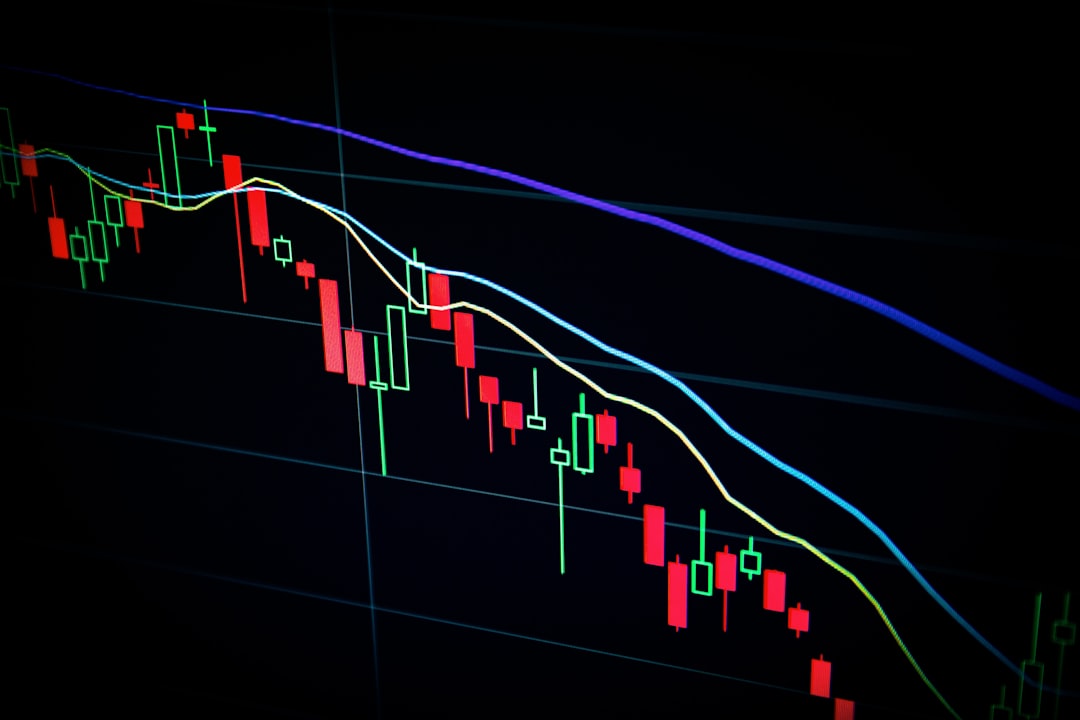
Market crashes test every trader's emotional resilience. When major currency pairs plunge and economic uncertainty spreads, panic-driven decisions can destroy months of disciplined trading gains. Understanding how to maintain psychological stability during market declines is essential for long-term survival in Forex trading. This guide provides practical strategies to help you stay calm, protect your capital, and navigate bearish markets with confidence.
Understanding the Psychology of Market Panic
Fear triggers the brain's fight-or-flight response, causing impulsive trading decisions. During major declines, traders often abandon their strategies and make emotional choices that amplify losses. Recognizing psychological triggers is the first step toward maintaining control. Common panic behaviors include revenge trading after losses, closing profitable positions too early, and abandoning risk management rules.
The most successful traders develop emotional awareness before crashes occur. They understand that market volatility is normal and temporary declines are part of trading cycles. By accepting losses as inevitable and focusing on process over profits, you create psychological distance from short-term market movements. This mindset shift transforms panic into calculated response.
Pre-Market Crisis Preparation Strategies
Preparation prevents panic. Traders who establish clear risk parameters before market turmoil maintain better emotional control during crashes. Set maximum daily loss limits, position size rules, and circuit breakers that automatically pause trading when thresholds are reached. These predetermined boundaries remove emotional decision-making from the equation.
- Document your trading plan with specific entry, exit, and risk management rules
- Set stop-loss orders on every position before market opening
- Establish a maximum portfolio drawdown limit (typically 15-25%)
- Create a crisis action checklist to follow during extreme volatility
- Practice visualization exercises of calm responses to market crashes
Regular scenario planning helps desensitize you to market shocks. Review historical crashes, analyze how different strategies would have performed, and mentally rehearse your responses to various decline scenarios.
Real-Time Calm Management Techniques
When markets decline sharply, immediate stress management becomes critical. Physical techniques can rapidly reduce anxiety and restore rational thinking. Step away from trading screens for 10-15 minutes to break the emotional cycle. Practice deep breathing exercises—inhale for four counts, hold for four, exhale for six—to activate your parasympathetic nervous system.
| Technique | Time Required | Effectiveness | When to Use |
|---|---|---|---|
| Screen Break | 10-15 minutes | High | After significant loss |
| Deep Breathing | 2-5 minutes | Medium-High | During volatility spikes |
| Position Review | 5-10 minutes | High | Before closing trades |
| Journal Writing | 10-20 minutes | Medium | End of trading session |
Avoid making trading decisions during peak emotional states. If you notice physical symptoms like rapid heartbeat, sweating, or muscle tension, pause all trading activity. Wait until you can objectively assess your positions against your written trading plan rather than your emotional state.
Maintaining Long-Term Perspective
Historical data shows markets recover from crashes, but emotional traders often exit at the worst possible times. Zoom out your timeframe to see decline in context. A 5% daily drop may feel catastrophic on a 1-hour chart but appears as minor consolidation on monthly charts. Maintain a decline journal documenting how previous market drops eventually resolved, reinforcing that current fear is temporary.
Focus on risk-adjusted returns rather than absolute performance. If you preserve 90% of capital during a major decline while others lose 40%, you've succeeded even with negative returns. Calculate your decline performance metrics: maximum drawdown, recovery time, and risk-to-reward ratios during volatility. These numbers provide objective evidence of your crisis management abilities.
Post-Decline Analysis and Growth
Every market crash offers learning opportunities. After volatility subsides, conduct thorough post-mortem analysis of your emotional responses and trading decisions. Which rules did you follow? Where did fear override discipline? Document specific situations that triggered panic and develop targeted strategies for future occurrences.
Build resilience through graduated exposure. Start with smaller position sizes during volatile periods, gradually increasing as you demonstrate emotional control. This progressive approach builds confidence without risking significant capital. Consider working with trading mentors or joining communities of experienced traders who can provide perspective during future declines.
Staying calm during market crashes requires preparation, self-awareness, and disciplined execution. By implementing these psychological strategies and risk management techniques, you transform market declines from panic-inducing disasters into manageable challenges. Remember that emotional control is a skill that improves with practice—each crisis you navigate successfully strengthens your trading psychology for future volatility.