
How to Trade Forex During High Inflation Periods
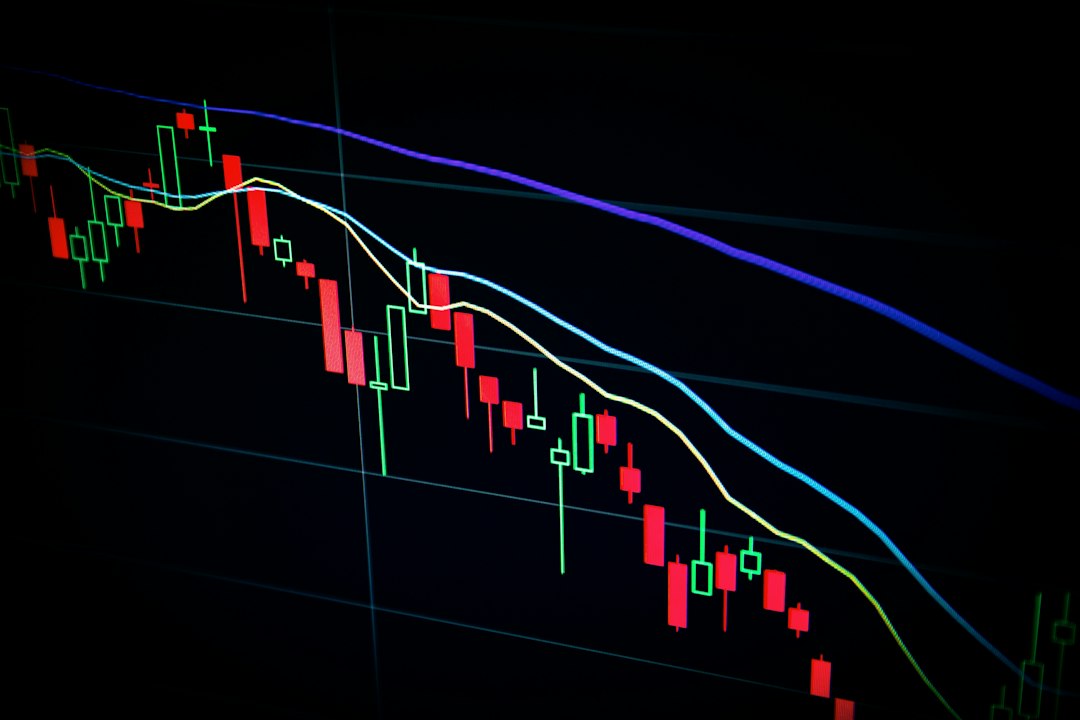
High inflation creates significant volatility in currency markets, presenting both risks and opportunities for Forex traders. When central banks aggressively raise interest rates to combat inflation, currency valuations shift dramatically, impacting trading strategies and risk profiles. This guide explores practical approaches to navigate Forex markets during inflationary environments, focusing on currency selection, timing, and capital preservation techniques that help traders adapt to changing economic conditions.
Understanding Inflation's Impact on Currency Values
Inflation affects currencies through multiple channels, primarily through central bank monetary policy responses. When inflation rises above target levels, central banks typically increase interest rates to cool economic activity. Higher interest rates generally strengthen a currency by attracting foreign capital seeking better returns. However, if inflation persists despite rate hikes, it can erode purchasing power and weaken long-term currency value.
Different countries experience varying inflation rates, creating interest rate differentials that drive currency movements. Traders must monitor:
- Consumer Price Index (CPI) reports and core inflation data
- Central bank statements and forward guidance on monetary policy
- Real interest rates (nominal rates minus inflation)
- Producer price indices that signal future consumer inflation
Countries with lower relative inflation and credible monetary policy typically see their currencies appreciate against those with higher inflation and weaker policy frameworks.
Best Currency Pairs for High Inflation Environments
Not all currency pairs respond equally to inflationary pressures. During high inflation periods, traders should focus on currencies backed by commodity-producing economies or those with strong anti-inflation credentials. The table below compares different currency characteristics:
| Currency Type | Inflation Behavior | Example Pairs |
|---|---|---|
| Commodity Currencies | Often strengthen during inflation | AUD/USD, NZD/USD, CAD/USD |
| Safe-Haven Currencies | Mixed, depends on relative rates | CHF/USD, JPY/USD |
| Emerging Market Currencies | Higher volatility and risk | TRY/USD, ZAR/USD |
| Reserve Currencies | Depends on central bank action | EUR/USD, GBP/USD |
Commodity currencies like the Australian and Canadian dollars often perform well during inflation because commodity prices typically rise alongside general price levels. However, these pairs require careful monitoring of both inflation data and commodity market trends.
Risk Management Strategies for Inflationary Markets
High inflation periods increase market volatility, making robust risk management essential. Traditional stop-loss levels may be insufficient when currency pairs experience sudden 100-200 pip moves within hours of central bank announcements.
Implement these risk controls:
- Reduce position sizes by 30-50% compared to normal market conditions
- Use wider stop-losses to accommodate increased volatility
- Avoid holding positions through major inflation data releases
- Set maximum daily loss limits at 1-2% of trading capital
- Diversify across multiple currency pairs to reduce concentration risk
Consider using options strategies or guaranteed stop-losses with your broker during high-impact events. While these tools have costs, they provide defined risk in extremely volatile conditions. Never risk more than you can afford to lose, especially when economic uncertainty creates unpredictable market reactions.
Timing Trades Around Central Bank Decisions
Central bank meetings become crucial trading events during high inflation periods. The Federal Reserve, European Central Bank, and Bank of England announcements can trigger 150-300 pip moves in major pairs. Forward guidance often matters more than the actual rate decision itself.
Successful timing strategies include:
- Trading the initial reaction within 15-30 minutes of announcements
- Waiting for market digestion and trading the secondary move 2-4 hours later
- Avoiding positions immediately before announcements unless hedged
- Following post-meeting press conferences for policy clarifications
Many experienced traders avoid holding positions through these events entirely, preferring to wait for clearer directional signals. The immediate volatility often produces false breakouts that reverse quickly, trapping inexperienced traders.
Long-Term vs. Short-Term Trading Approaches
High inflation environments require adapting your trading timeframe. Swing trading and position trading become more challenging as fundamentals shift rapidly with each inflation report. Day trading and scalping strategies can capitalize on intraday volatility but require intense focus and quick execution.
Short-term traders (intraday to several days) benefit from:
- More frequent opportunities from increased volatility
- Reduced exposure to overnight gaps and surprise announcements
- Ability to adjust quickly to changing conditions
Long-term traders must accept wider drawdowns and focus on major trend changes driven by sustained interest rate cycles. Multi-month positions require significantly larger capital reserves to withstand temporary adverse moves.
Conclusion
Trading Forex during high inflation demands disciplined risk management, careful currency selection, and strategic timing around economic releases. Focus on understanding relative inflation differentials between countries, reducing position sizes to account for volatility, and adapting your timeframe to market conditions. Success requires patience, continuous learning, and realistic expectations about market uncertainty. Start with smaller positions, track central bank policies closely, and prioritize capital preservation over aggressive profit targets during these challenging periods.