
What Is a Safe Haven Asset in Forex Trading?
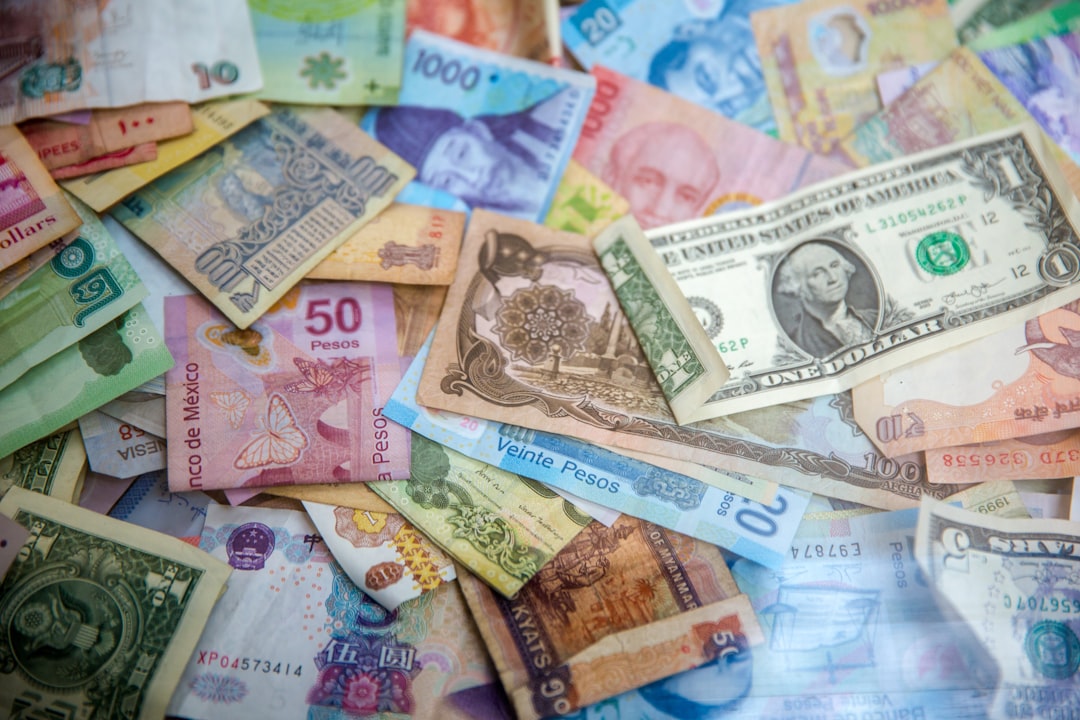
When financial markets turn volatile and economic uncertainty rises, traders often flee to safe haven assets—currencies and instruments that historically retain or increase their value during market turmoil. Understanding these assets is critical for Forex traders navigating bearish markets, geopolitical crises, or global recessions. In this guide, you'll learn what qualifies as a safe haven asset, which currencies fit this category, and how to incorporate them into your risk management strategy during turbulent times.
Understanding Safe Haven Assets in Forex
A safe haven asset is a currency or financial instrument that investors expect to retain value or appreciate during periods of market stress, economic downturns, or geopolitical instability. These assets exhibit low correlation with risk assets like stocks and typically benefit from capital flight when traders seek security over returns. Safe haven currencies share common characteristics: stable political systems, low inflation rates, strong central banks, and deep, liquid markets.
Not all currencies qualify as safe havens. The designation depends on historical performance during crises, investor perception, and fundamental economic factors. During the 2008 financial crisis and the 2020 pandemic crash, certain currencies consistently strengthened while others collapsed, revealing their true safe haven status.
Primary Safe Haven Currencies
Three major currencies dominate the safe haven space in Forex trading:
- Swiss Franc (CHF)—Switzerland's political neutrality, strong banking system, and conservative monetary policy make the franc the traditional safe haven choice during global crises.
- Japanese Yen (JPY)—Japan's status as the world's largest creditor nation and low interest rates enable yen repatriation during market stress, strengthening the currency.
- U.S. Dollar (USD)—As the world's reserve currency with the deepest liquidity, the dollar often strengthens during global uncertainty despite U.S.-specific economic challenges.
Gold also functions as a safe haven, though it's traded differently than currency pairs. Some traders consider the Singapore Dollar (SGD) a regional safe haven due to Singapore's economic stability, though it lacks the global recognition of the big three.
Safe Haven vs. Risk-On Currencies
Understanding the difference between safe haven and risk-on currencies helps traders position themselves correctly during different market phases. The table below highlights key distinctions:
| Characteristic | Safe Haven Currencies | Risk-On Currencies |
|---|---|---|
| Performance in Crisis | Strengthen or stabilize | Weaken significantly |
| Examples | CHF, JPY, USD | AUD, NZD, CAD, emerging markets |
| Correlation with Stocks | Negative or low | Positive correlation |
| Yield | Typically lower interest rates | Higher interest rates |
Risk-on currencies like the Australian Dollar (AUD) and New Zealand Dollar (NZD) are tied to commodity prices and global growth expectations. They perform well during economic expansions but suffer during downturns. Recognizing market sentiment shifts between risk-on and risk-off environments is essential for successful Forex trading.
Trading Strategies with Safe Haven Assets
Incorporating safe haven currencies into your trading strategy during bearish markets involves several approaches:
- Defensive positioning—Increase exposure to CHF, JPY, or USD pairs when volatility indicators rise or economic data deteriorates.
- Portfolio hedging—Hold safe haven currency positions to offset losses in risk-on trades during uncertain periods.
- Flight-to-quality trades—Go long on safe haven currencies against vulnerable emerging market or commodity currencies when crisis signals emerge.
- Correlation trading—Monitor relationships between stock market indices and safe haven currencies to identify risk-off transitions.
Timing is crucial. Safe haven status doesn't guarantee constant appreciation—these currencies can weaken during stable economic periods when investors seek higher yields elsewhere. Watch central bank policies, geopolitical developments, and global risk sentiment indicators to anticipate shifts.
Risks and Limitations of Safe Haven Trading
While safe haven assets offer protection, they're not without risks. Central bank intervention can artificially weaken safe haven currencies, as the Swiss National Bank demonstrated when capping the franc's value against the euro. Opportunity cost is another consideration—holding low-yielding safe havens during bull markets means missing potential gains from risk assets.
Safe haven performance can also vary by crisis type. The U.S. dollar may weaken during U.S.-specific crises while strengthening during global shocks. The yen's safe haven status faces questions as Japan's massive debt burden grows. Never assume past performance guarantees future safe haven behavior—constantly reassess based on evolving economic conditions.
Understanding safe haven assets gives traders a crucial tool for navigating market uncertainty and protecting capital during downturns. Master these concepts, monitor global risk sentiment, and use safe haven currencies strategically to survive bearish markets and preserve your trading capital when others panic.