
What Traders Should Avoid During Market Sell-Offs
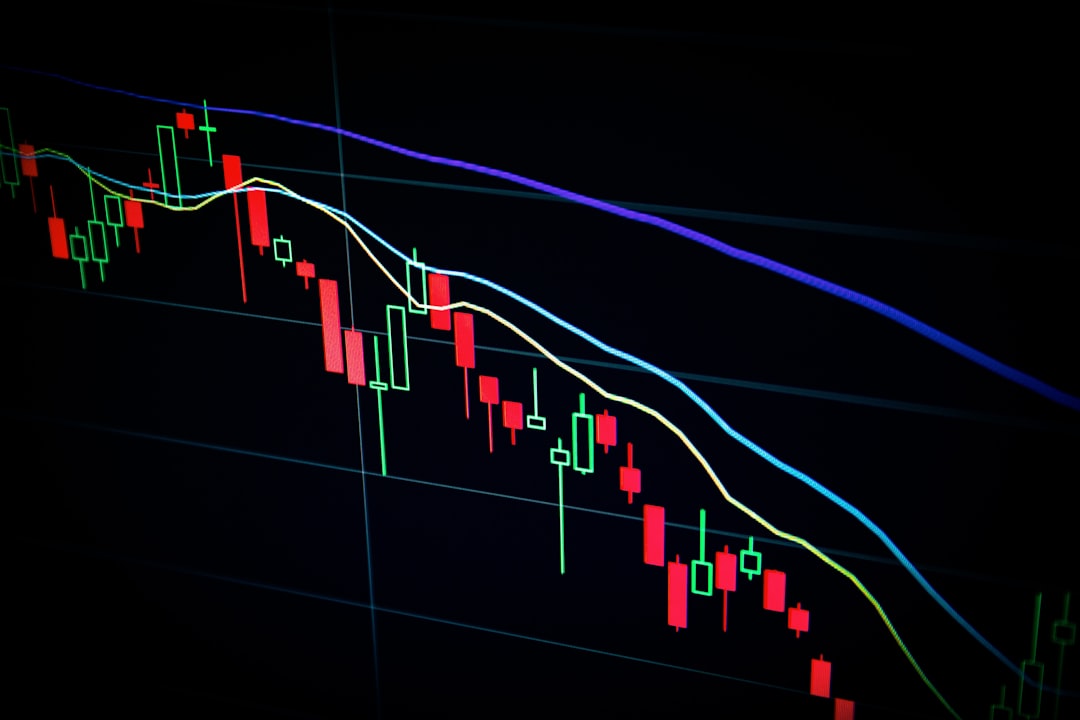
Market sell-offs trigger panic, volatility, and rapid price movements that challenge even experienced traders. During these turbulent periods, emotional decisions often lead to devastating losses. Understanding what to avoid during market crashes is just as important as knowing what to do. This guide reveals critical mistakes traders make during sell-offs and how protecting your capital requires discipline, patience, and strategic thinking during bearish market conditions.
Don't Chase Falling Markets Without a Plan
One of the most dangerous mistakes during market sell-offs is attempting to catch falling knives without proper analysis. Impulsive buying based on the assumption that prices have bottomed often results in further losses as downtrends continue. Markets can remain irrational far longer than traders can stay solvent.
Avoid these common behaviors:
- Entering trades without clearly defined stop-loss levels
- Averaging down on losing positions without technical confirmation
- Ignoring overall market sentiment and fundamental drivers
- Trading without proper risk-reward ratios during high volatility
Successful trading during sell-offs requires waiting for genuine reversal signals, consolidation patterns, or support level confirmations rather than emotional entry points. Patience outperforms prediction when markets are declining rapidly.
Avoid Overleveraging and Revenge Trading
Market sell-offs amplify losses for overleveraged positions. During periods of extreme volatility, margin calls become common, and traders using excessive leverage face account-destroying losses. Revenge trading—attempting to recover losses immediately through larger, riskier trades—compounds the problem exponentially.
| Trading Behavior | Risk Level | Recommended Action |
|---|---|---|
| Normal Leverage (1:10-1:30) | Moderate | Reduce position sizes |
| High Leverage (1:50-1:100) | Extreme | Close or hedge positions |
| Revenge Trading | Account-Threatening | Stop trading immediately |
| Averaging Down | High | Wait for confirmation |
During sell-offs, reducing leverage protects capital and provides psychological stability. Consider cutting position sizes by 50-75% compared to normal market conditions. Capital preservation becomes the primary objective when markets are crashing, not profit maximization.
Don't Ignore Risk Management Fundamentals
Market sell-offs reveal traders who neglect basic risk management principles. Abandoning stop-losses, risking too much per trade, or removing protective measures because "the market will recover" leads to catastrophic losses. Discipline separates surviving traders from eliminated accounts during bearish markets.
Critical risk management rules during sell-offs:
- Never risk more than 1-2% of account capital per trade
- Always use stop-loss orders, even in volatile conditions
- Avoid trading unfamiliar currency pairs during chaos
- Don't hold positions through major economic announcements
The psychological pressure during sell-offs makes traders abandon proven strategies. Maintaining rigid risk parameters ensures you survive to trade when conditions stabilize and opportunities emerge more clearly.
Avoid Information Overload and Panic Decisions
During market crashes, news flow intensifies, and contradictory information floods trading platforms. Analysis paralysis or panic-driven decisions based on sensational headlines destroy trading discipline. Social media amplifies fear, creating echo chambers that encourage irrational behavior.
Avoid these information-related mistakes:
- Making trading decisions based solely on news headlines
- Following crowd sentiment without independent analysis
- Constantly monitoring positions leading to emotional overtrading
- Abandoning your trading plan due to short-term volatility
Establish a reliable information filter—stick to verified economic calendars, central bank announcements, and technical analysis. Quality information trumps quantity during market turmoil. Step away from screens if anxiety overwhelms rational decision-making.
Don't Neglect Your Trading Psychology
Market sell-offs test psychological resilience more than technical skills. Fear, greed, and hope drive irrational decisions that rational analysis would prevent. Emotional trading during bearish markets creates long-term damage beyond immediate financial losses.
Recognize psychological warning signs:
- Checking positions obsessively throughout the day
- Feeling physical anxiety about open trades
- Unable to sleep due to trading concerns
- Making impulsive trades to "feel in control"
If emotional responses override logical analysis, stop trading temporarily. Taking breaks during extreme volatility preserves both capital and mental health. Professional traders understand that missing opportunities costs less than making desperate mistakes during market crashes.
Market sell-offs separate disciplined traders from gamblers. By avoiding impulsive decisions, overleveraging, abandoning risk management, information overload, and psychological breakdowns, you position yourself to survive bearish markets and capitalize when conditions improve. Remember: protecting capital during downturns ensures you have resources available when profitable opportunities return.