
Why Emotional Trading Increases During Market Crashes
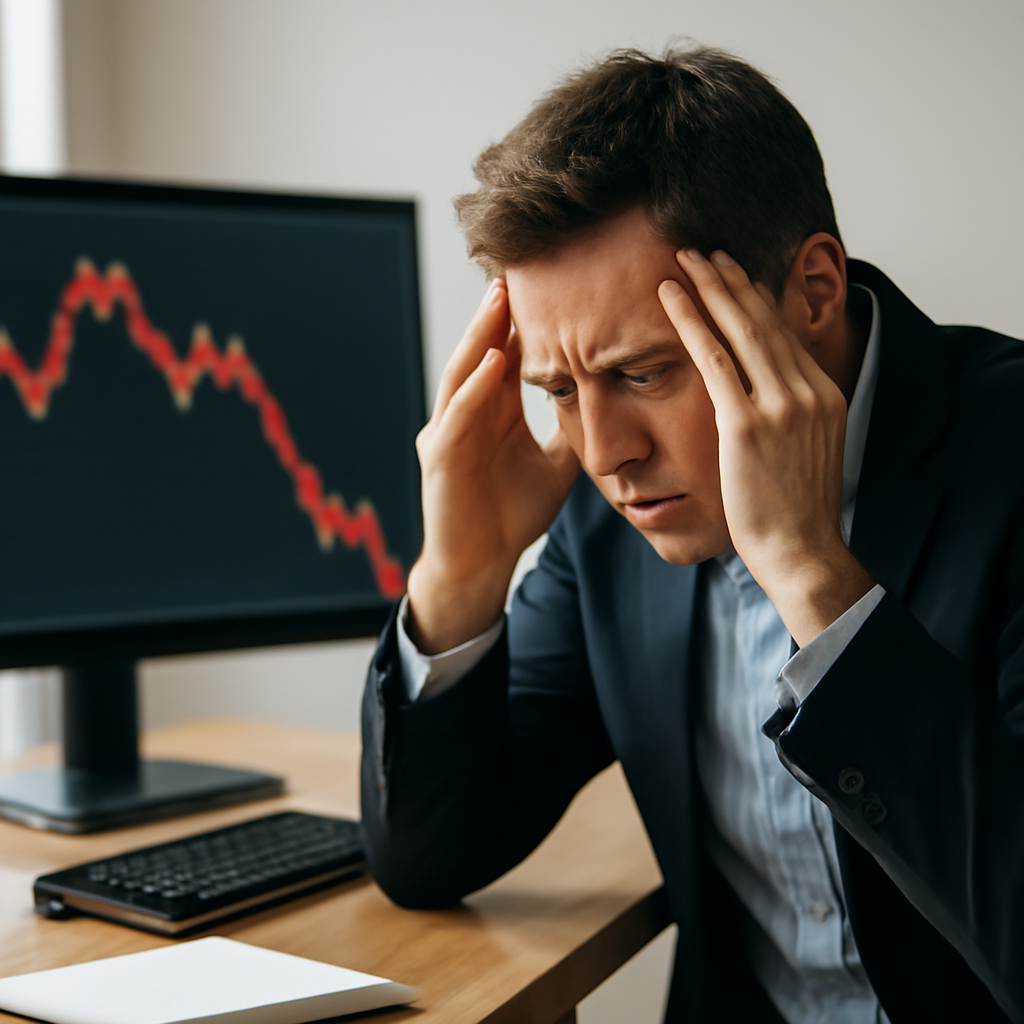
Market crashes trigger intense emotional responses that override rational trading decisions. During severe downturns, fear and panic dominate trading floors and retail accounts alike, causing traders to abandon well-tested strategies in favor of impulsive reactions. Understanding why emotional trading intensifies during crashes is essential for protecting your capital and maintaining long-term profitability in volatile Forex markets.
The Psychological Triggers Behind Crash-Driven Emotions
Market crashes activate primal survival instincts that evolved to protect humans from physical threats, not financial losses. When traders watch their account balances plummet, the amygdala—the brain's fear center—overrides rational decision-making processes in the prefrontal cortex. This biological response explains why experienced traders often make beginner mistakes during extreme volatility.
The speed of market crashes amplifies emotional intensity. While bear markets decline gradually, crashes happen rapidly, compressing weeks of losses into hours or days. This acceleration leaves no time for psychological adjustment, forcing traders into fight-or-flight mode. Key psychological triggers include:
- Loss aversion: Fear of losses becomes 2-3 times more powerful than desire for equivalent gains
- Herd mentality: Watching others panic-sell creates overwhelming pressure to follow
- Recency bias: Recent dramatic losses feel more important than long-term trading plans
- Cognitive overload: Too much negative information paralyzes decision-making ability
How Fear and Greed Manifest During Market Crashes
During crashes, the two dominant trading emotions—fear and greed—create a toxic cycle. Fear drives panic selling at market bottoms, locking in maximum losses. Paradoxically, greed emerges simultaneously as traders attempt to "catch falling knives" by buying premature dips, hoping for quick reversals that may never come.
This emotional whipsaw explains why most retail traders suffer their worst losses during crashes. They sell near the bottom from fear, then re-enter too early from greed, experiencing losses on both sides of the volatility. Professional traders recognize these patterns and wait for genuine market stabilization before taking positions.
| Emotion | Trading Behavior | Typical Outcome |
|---|---|---|
| Panic Fear | Selling at market lows | Locked-in maximum losses |
| Denial | Holding losing positions too long | Margin calls and blown accounts |
| Premature Greed | Buying falling markets too early | Multiple false entry losses |
| Revenge Trading | Overleveraging to recover losses | Accelerated account destruction |
The Role of Leverage in Amplifying Emotional Responses
Forex leverage transforms moderate market moves into account-threatening events, intensifying emotional reactions exponentially. During crashes, margin calls force liquidations at the worst possible prices, removing rational choice from the equation entirely. A trader using 50:1 leverage needs only a 2% adverse move to face a margin call—a threshold easily breached during crash conditions.
High leverage also creates what psychologists call "outcome bias,