
Why Liquidity Becomes Critical During Market Panic
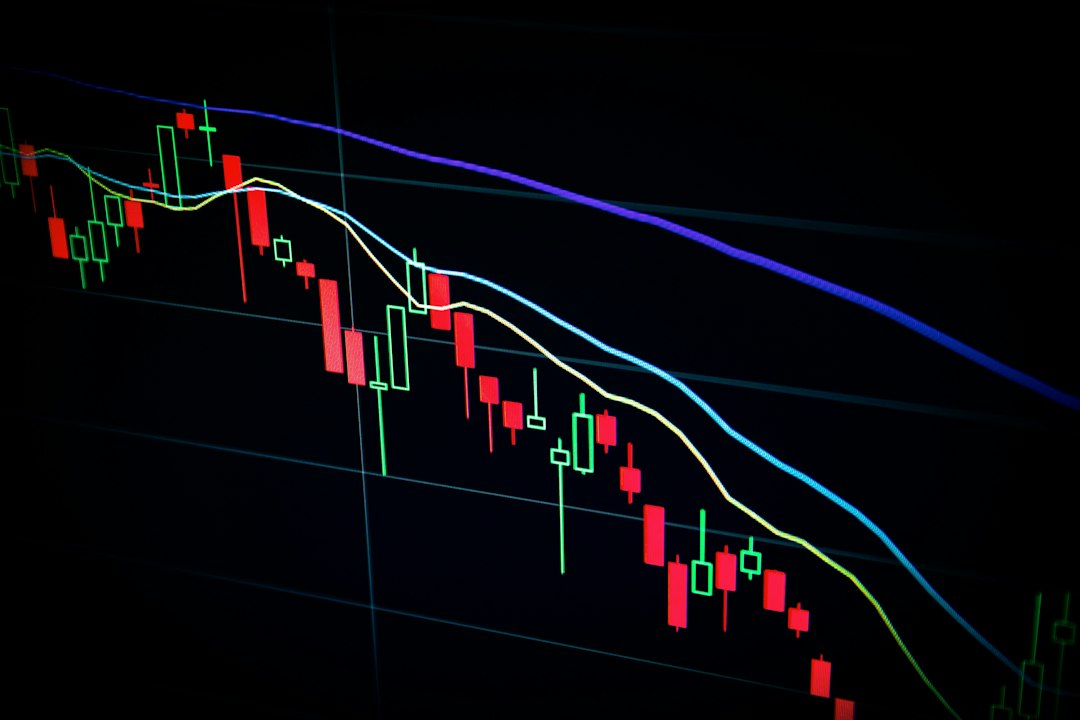
When markets enter panic mode, the rules of the game change dramatically. Suddenly, the ability to enter and exit trades becomes just as important as the trades themselves. During periods of extreme volatility and fear-driven selling, liquidity—the ease with which you can buy or sell an asset without affecting its price—becomes a trader's lifeline. Understanding why liquidity matters during market panic can mean the difference between protecting your capital and suffering devastating losses. In this article, you'll learn how liquidity dries up during crises, why it threatens your trading strategy, and how to adapt when markets turn against you.
What Happens to Liquidity During Market Panic
During normal market conditions, there's typically a healthy balance between buyers and sellers. However, when panic strikes, this balance collapses. Market participants rush toward the exits simultaneously, creating a severe imbalance between supply and demand. Sellers flood the market while buyers vanish, causing bid-ask spreads to widen dramatically. What was once a tight 2-pip spread on EUR/USD might balloon to 10 pips or more within minutes.
This liquidity crisis creates several immediate problems for traders:
- Slippage increases substantially as your orders get filled at prices far worse than expected
- Stop-loss orders may execute at significantly lower prices than set
- Large position sizes become nearly impossible to close without moving the market against you
- Trading costs spike as spreads widen and execution quality deteriorates
The 2020 COVID-19 market crash and the 2008 financial crisis both demonstrated how quickly liquidity can evaporate, leaving even major currency pairs subject to erratic price movements.
Why Panic-Driven Illiquidity Threatens Your Strategy
Your carefully planned trading strategy assumes normal market functioning. When liquidity dries up, those assumptions break down. Technical analysis becomes less reliable as price action becomes increasingly chaotic and disconnected from fundamental values. Support and resistance levels that held for months can be shattered in minutes as panicked selling overwhelms normal market structure.
| Market Condition | Bid-Ask Spread | Execution Quality | Strategy Effectiveness |
|---|---|---|---|
| Normal Markets | Tight (1-3 pips) | High | Strong |
| Moderate Volatility | Moderate (3-5 pips) | Medium | Moderate |
| Panic/Crisis | Wide (10+ pips) | Poor | Compromised |
| Flash Crash | Extreme (50+ pips) | Very Poor | Fails |
Risk management tools that normally protect you become unreliable. Stop-losses may not execute at intended prices due to gapping. Position sizing calculations become obsolete when spreads quadruple overnight. Even seemingly conservative strategies can generate unexpected losses when market mechanics fundamentally change.
How to Protect Yourself When Liquidity Disappears
Preparation before panic strikes is essential. Traders who survive market crashes typically follow specific protocols designed for liquidity crises. First, reduce position sizes during periods of elevated uncertainty—smaller positions mean less exposure to slippage and execution problems. Second, maintain higher cash reserves than normal, giving you flexibility when opportunities arise without forcing you to exit positions at terrible prices.
Consider these protective measures:
- Trade only the most liquid currency pairs (EUR/USD, USD/JPY, GBP/USD) during volatile periods
- Avoid exotic pairs entirely when market stress increases
- Use guaranteed stop-losses if your broker offers them, despite the premium cost
- Consider pre-positioning hedges before expected volatility events
- Keep emergency exit plans that account for 3-5x normal spreads
Understanding your broker's execution policies during extreme volatility is also crucial. Some brokers widen spreads more aggressively than others, and knowing this in advance helps you choose where to maintain accounts during crisis periods.
Smart Trading Approaches for Low-Liquidity Environments
Rather than fighting illiquid markets, successful traders adapt their approach. Reduce trading frequency during panic periods—fewer trades mean less exposure to poor execution and inflated costs. When you do trade, use limit orders instead of market orders whenever possible, accepting that fills may not occur but protecting yourself from extreme slippage when they do.
Consider shifting to longer timeframes temporarily. If you normally trade the 15-minute chart, move to the 4-hour or daily chart during crises. This reduces the number of entries and exits you need while market conditions remain poor. Additionally, focus on high-probability setups only—the cost of being wrong increases when liquidity is scarce, so your win rate must be higher to compensate for wider spreads and worse fills.
Some traders also pivot to becoming temporary liquidity providers during panic by placing limit orders at levels where they're willing to buy, potentially earning the bid-ask spread rather than paying it. This advanced approach requires significant experience and should only be attempted with capital you can afford to lose.
Recognizing When Liquidity Is Returning
Market panic doesn't last forever, but recognizing when conditions normalize helps you resume normal trading. Watch for spreads tightening back toward normal levels as a primary indicator. When EUR/USD returns to 1-2 pip spreads consistently, market functioning is improving. Similarly, monitor trading volumes—as they stabilize and rise from panic lows, liquidity typically returns.
Pay attention to price action patterns. When markets begin respecting technical levels again and gaps become less frequent, it signals that the worst liquidity crisis has passed. Central bank interventions, government policy announcements, and coordinated financial authority actions often mark turning points where confidence begins returning to markets and liquidity follows.
Don't rush back to full-size positions immediately. Gradually increase your trading activity as conditions improve, testing the waters with smaller trades first. This measured approach protects you if the panic resurfaces while allowing you to participate as markets stabilize.
Liquidity crises test every trader's preparation and discipline. By understanding why liquidity disappears during panic, recognizing the threats it poses, and adapting your strategy accordingly, you position yourself not just to survive market crashes but to emerge with your capital intact and ready for the recovery. Remember that protecting capital during the worst times is often more valuable than chasing gains during the best times. Stay informed, stay flexible, and respect the market's ability to change the rules when fear takes over.