
Why Risk Management Matters More in Falling Markets
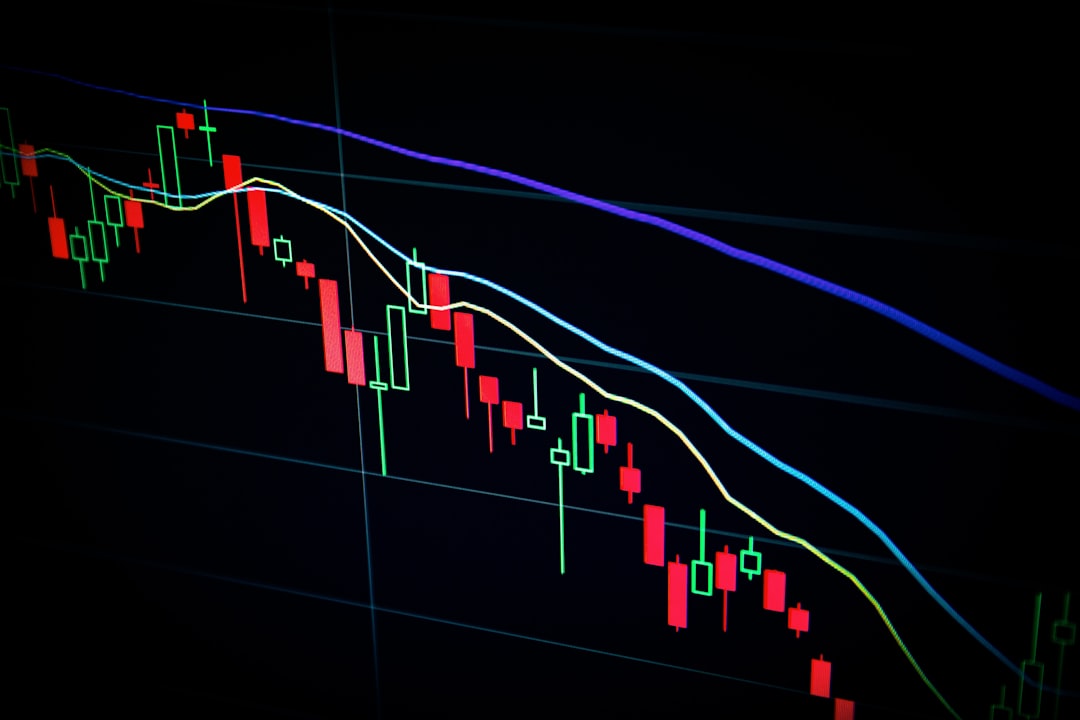
When markets climb steadily, many traders overlook risk management and focus primarily on capturing profits. However, falling markets expose the vulnerabilities in every trading strategy, making risk management not just important but essential for survival. During bearish periods, the difference between traders who preserve capital and those who suffer devastating losses comes down to disciplined risk control. This post examines why risk management becomes exponentially more critical when markets decline and how you can implement protective measures to weather downturns successfully.
Market Psychology Shifts During Downturns
Falling markets trigger emotional responses that cloud judgment and lead to impulsive decisions. Fear and panic replace the greed and optimism common in bull markets, causing traders to abandon their strategies at the worst possible moments. Volatility spikes dramatically during selloffs, creating larger price swings that can trigger stop-losses prematurely or generate unexpected slippage.
Without strict risk parameters, these psychological pressures compound. Traders may increase position sizes trying to recover losses, hold losing trades too long hoping for reversals, or exit winning positions too early out of fear. Risk management acts as your psychological anchor, providing clear rules that remove emotional decision-making from the equation when market conditions deteriorate.
Losses Accelerate Faster Than Gains
A mathematical reality makes risk management crucial during downturns: recovering from losses requires disproportionately larger gains. If you lose 50% of your trading account, you need a 100% return just to break even. This asymmetry means that protecting capital during falling markets is more valuable than pursuing aggressive gains during rallies.
| Account Loss | Gain Required to Recover | Recovery Difficulty |
|---|---|---|
| 10% | 11.1% | Moderate |
| 25% | 33.3% | Challenging |
| 50% | 100% | Very Difficult |
| 75% | 400% | Nearly Impossible |
Effective risk management ensures you never dig a hole so deep that climbing out becomes impractical. By limiting individual trade risk to 1-2% of capital and maintaining strict position sizing rules, you preserve the resources needed to continue trading when opportunities emerge.
Volatility Magnifies Position Risk
Bear markets typically feature increased volatility compared to bull markets, which directly impacts your position risk exposure. Currency pairs that normally move 50 pips daily might suddenly swing 150-200 pips as panic spreads. This volatility expansion means:
- Stop-loss distances must widen to avoid premature exits from normal market noise
- Position sizes should decrease to maintain consistent risk levels despite wider stops
- Leverage must be reduced as price movements become less predictable
- Margin requirements may increase unexpectedly during extreme volatility
Traders who fail to adjust their risk parameters for increased volatility often discover their 2% risk-per-trade strategy suddenly exposes them to 5-8% losses per position. Proper risk management requires continuous recalibration based on current market conditions rather than static rules applied regardless of environment.
Correlation Changes Reduce Diversification Benefits
During market crashes and risk-off periods, asset correlations converge as investors sell everything simultaneously. Currency pairs that normally move independently begin tracking each other, eliminating the protection diversification usually provides. Multiple positions across different pairs can suddenly become concentrated exposure to the same underlying risk factor.
This correlation shift makes monitoring overall portfolio risk more important than managing individual positions. Your five separate EUR/USD, GBP/USD, AUD/USD, NZD/USD, and USD/CAD positions might represent a single massive bet on dollar strength during risk-off conditions. Effective risk management in falling markets requires understanding these correlation dynamics and adjusting exposure accordingly.
Practical Risk Management Strategies for Downturns
Implementing robust risk management during falling markets requires specific tactical adjustments beyond normal trading practices. Consider these essential strategies:
- Reduce overall position sizes by 30-50% during confirmed downtrends
- Tighten maximum portfolio risk from 6-8% to 3-5% across all open positions
- Use trailing stops more aggressively to lock in gains before reversals
- Increase cash reserves to 40-60% of account value during severe selloffs
- Focus on capital preservation over profit generation until conditions stabilize
Many successful traders adopt a defensive posture during prolonged downturns, accepting smaller returns in exchange for protecting their capital base. This approach keeps them in the game for the inevitable recovery while less disciplined traders suffer account-depleting losses.
Risk management separates surviving traders from failed ones during falling markets. By understanding how downturns amplify risk, adjusting your strategies accordingly, and prioritizing capital preservation over aggressive gains, you position yourself to weather bearish periods and capitalize when conditions improve. Start implementing stricter risk controls today before the next downturn tests your discipline.